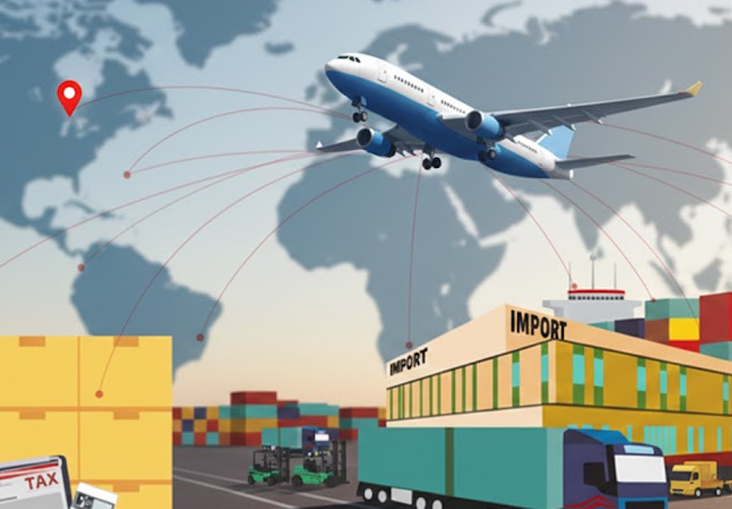
In economics, “import” is the simple definition: a person or company in one country buys goods or services produced in another country and brings them home. In a working foreign-trade operation, the term covers a lot more ground. It folds in customs regulation, logistics cost, tax obligation, and quality standards under one heading.
Find Export Customers,
Analyze Your Markets
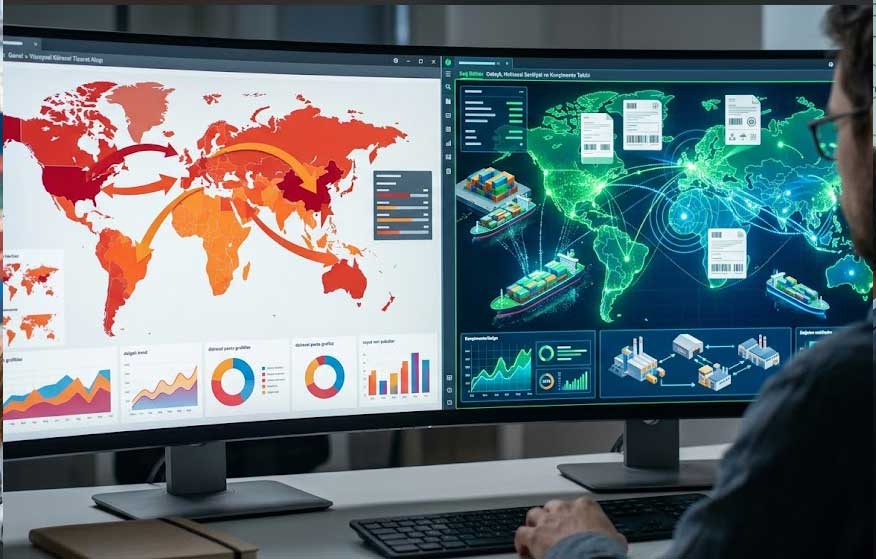
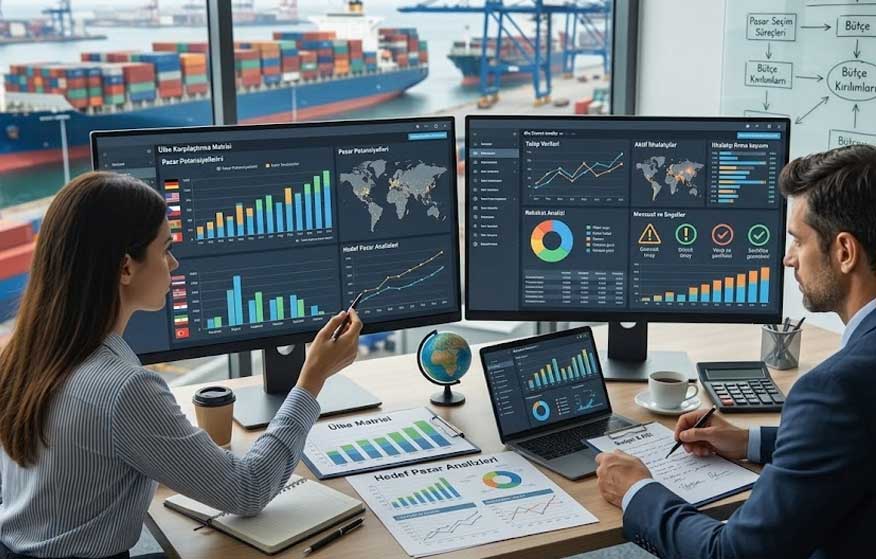
Export 5.0 surfaces buyers and suppliers in your target market within seconds, tracks trade trends with current data, and routes you to the corporate contacts at importing companies. It is the working layer behind a serious export operation.
Export 5.0 system
Why Companies Import in the First Place
There are three reasons a business or a country usually turns to imports:
Cost Advantage: Sourcing raw materials or semi-finished goods from abroad below the local price.
Quality and Technology: Access to higher-grade inputs or technologies that are not produced at acceptable quality at home.
Product Variety: Bringing in niche or specialty products that local producers do not make, in order to meet a real consumer demand.
The Stages That Decide Whether an Import Works
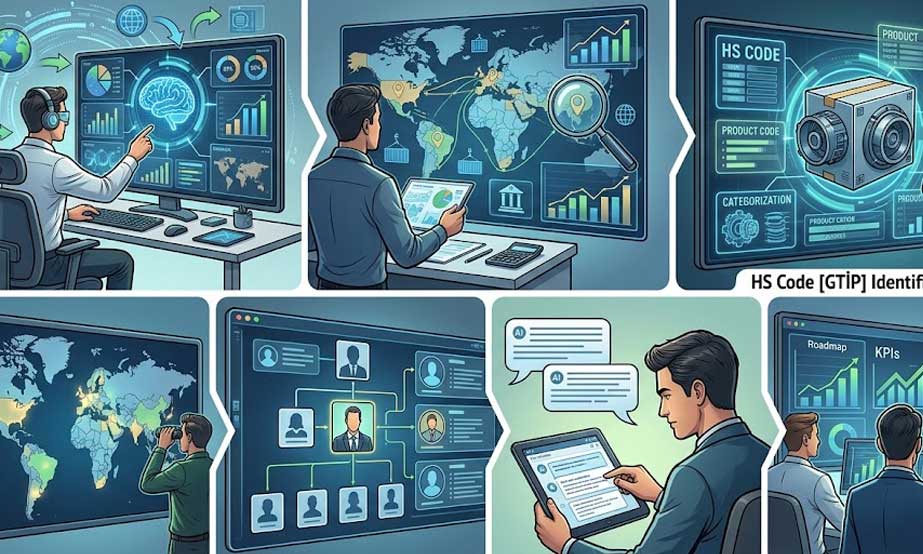
Importing is not paying for goods and waiting for the truck. A professionally run import process moves through clear stages:
HS Code Identification: The Harmonized System (HS) code you assign to the product determines the duty you pay and the restrictions you operate under. Get this wrong and the rest of the file is wrong.
Regulations and Standards: Confirm in advance that the goods comply with TSE, CE, and any ministry inspection scheme that applies (TAREKS and similar).
Logistics and Insurance: Pick the right Incoterms so freight cost and insurance liability sit where they should sit.
Data-Driven Importing: Finding the Right Supplier
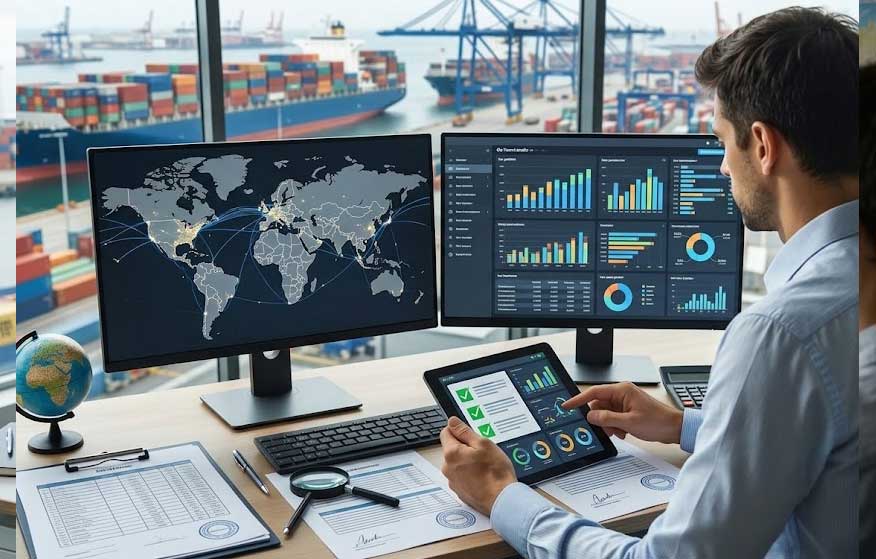
The hardest part of importing is finding a supplier that is reliable and stays reliable. By 2026, digital trade intelligence is what makes that work. Scanning global databases to see which factories your competitors source from is no longer optional, it is part of the job.
Market Analysis Tools: Platforms such as Bilvio, Volza, and Panjiva map out global supply chains so you can see the network instead of guessing at it.