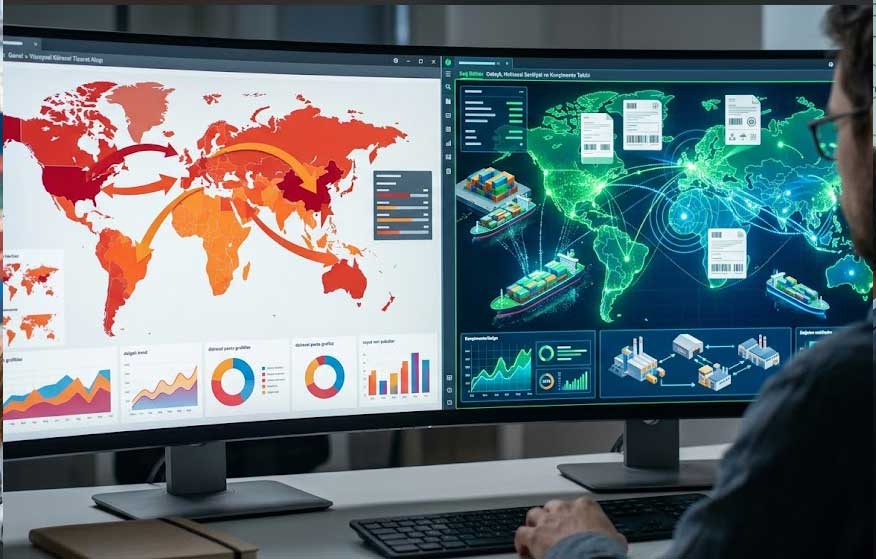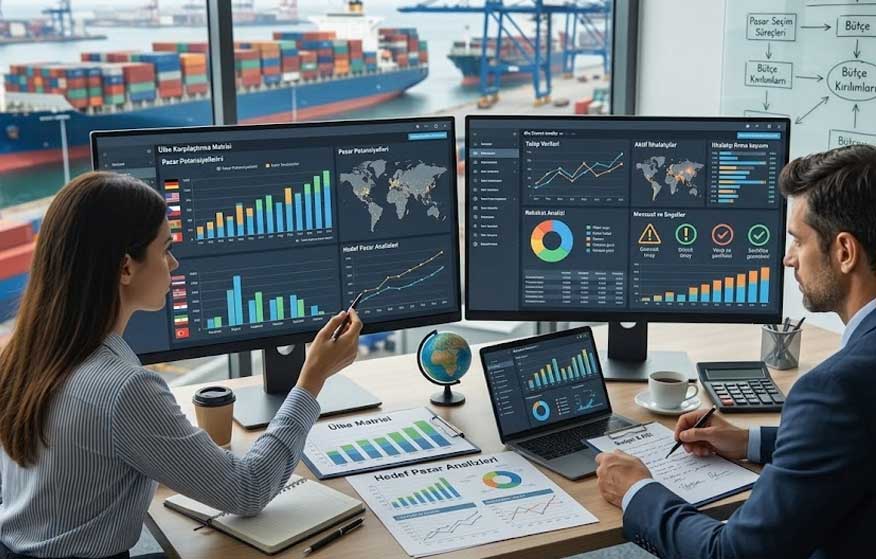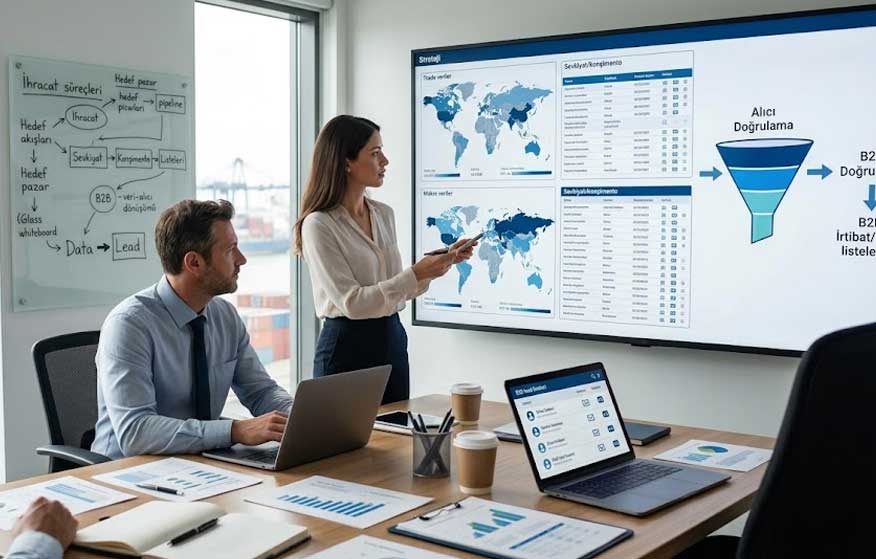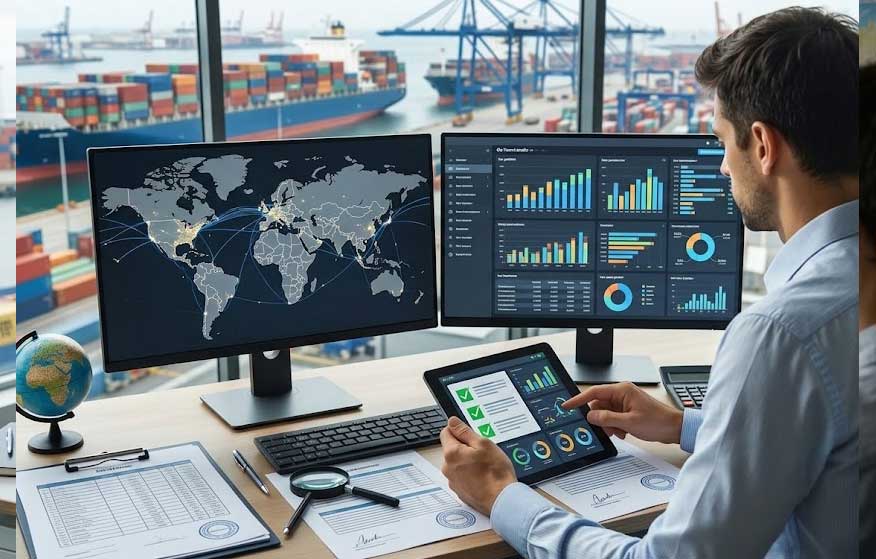
- Bill of Lading Database
- List of Importers
- Foreign trade data analysis
- Finding export customers
- Use of logistics data
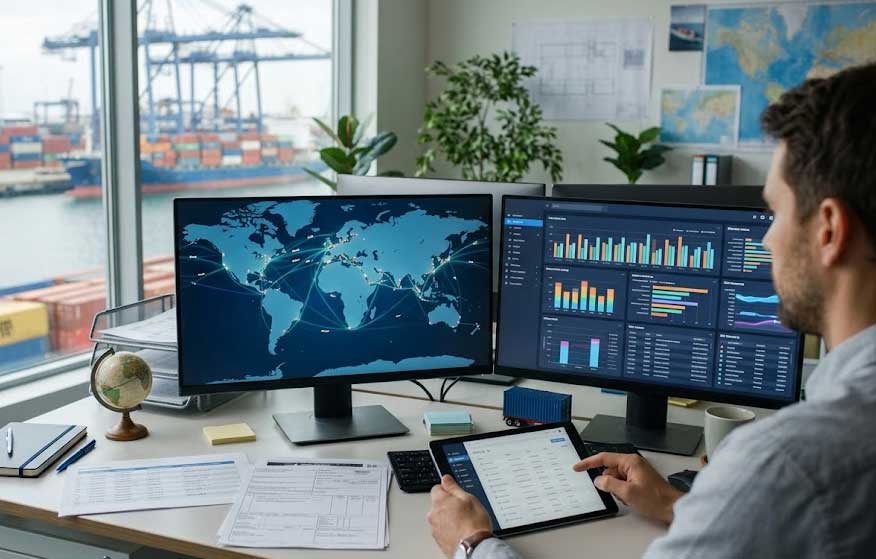
The most important question in exporting is this: how do I find customers who are actually buying? This is where the bill of lading database earns its place. These systems run on real trade records, not estimates. You can see exactly who imported which product and when. At the end of this article, I will mention a platform that makes the process faster and more efficient.
Find Export Customers,
Analyze Your Markets
Export 5.0 surfaces real importers and suppliers in your target market in seconds, reads current trade flows, and routes you to the corporate contacts that matter. It is the operating layer for exporters who work from data instead of chasing leads.
Export 5.0 system
What Is a Bill of Lading?
Start with the basics.
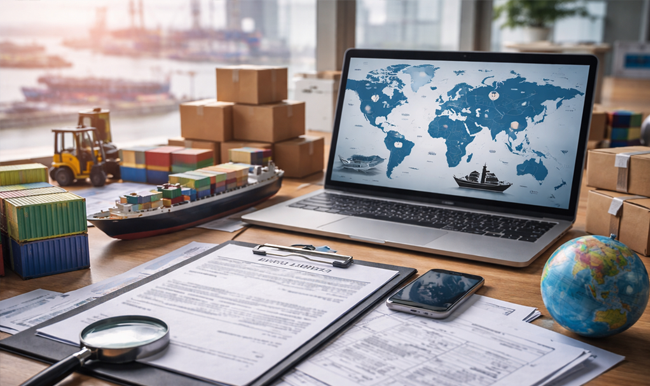
A bill of lading is the official document used in international shipping. It records the following:
- Exporter
- Importer
- Product information
- Quantity
- Port of loading and port of destination
- Shipping carrier
In effect, the document is proof that the transaction happened.
What Is a Bill of Lading Database?
A bill of lading database aggregates these documents from import and export transactions worldwide.
From that data, you can see:
- Which company imports which product
- Where they buy from
- How often they import
- Which suppliers they currently use
This information is far more powerful than traditional customer-search methods.
Why Use a Bill of Lading Database?
Plainly:
If you are still chasing random customers, you are wasting a lot of time.
The advantages:
- You reach the actual buyer
- You find companies that buy directly
- You can run a competitor analysis
- You see market trends
- Your conversion rate goes up
What this looks like in practice:
Companies that use bill of lading data find customers 40 to 60 percent faster than those running traditional outreach.
How to Find a Customer Using Bill of Lading Data
If you want to do this properly, follow the steps below.
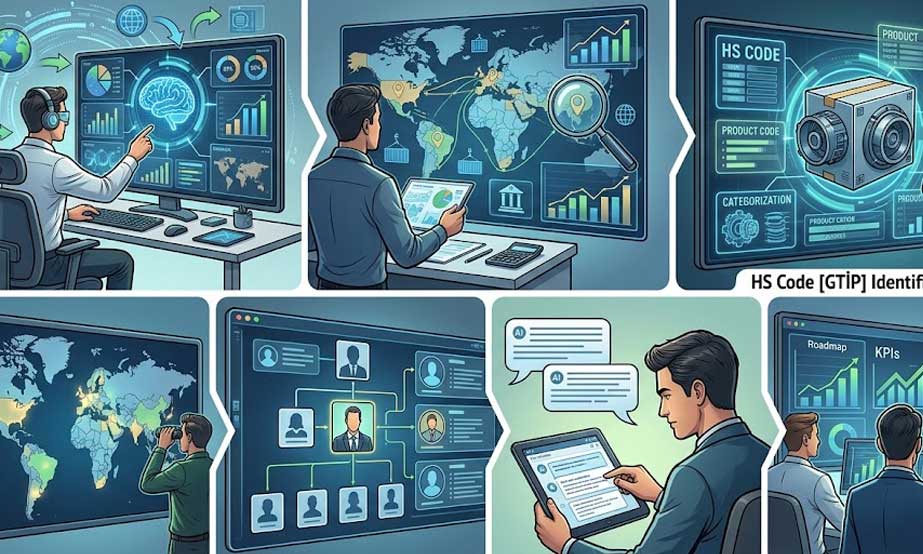
1. Define Your Product Clearly
- Pin down the HS code
- Strip out product variants you do not produce
2. Pick the Target Market
- Look at the top importing countries
- Assess how crowded the competition is
3. List the Importing Companies
Filter the bill of lading database by:
- Product
- Country
- Import frequency
4. Choose the Right Companies
Not every importer is your customer.
Check the following:
- Are they buying on a regular cadence?
- Is their price range a fit?
5. Reach the Decision-Maker
- Purchasing manager
- Import manager
Sample Use Case
Say you export plastic products from Turkey.
Inside the bill of lading database:
- You find U.S. companies importing plastic
- You filter for those that bought in the last 6 months
- You see which country they are sourcing from
If they are sourcing from China, you have an opening.
Bill of Lading Data vs. Other Sources
| Feature | Bill of Lading Data | B2B Platform |
|---|---|---|
| Data Type | Real transactions | Self-declared profile |
| Reliability | Very high | Medium |
| Conversion Rate | High | Low |
| Timeliness | Generally up to date | Variable |
Bill of Lading Data Combined with AI
By 2026, these systems have moved well past raw lookups.
Just looking at the data is no longer enough.
Next-generation systems:
- Surface customer suggestions automatically
- Filter the most relevant companies
- Pull contact information
- Run the marketing process end to end
Platforms like www.bilvio.com/ihracat turn bill of lading data into something actionable instead of dumping a list in your lap.
Expert Advice (From Real Experience)
As someone who has been exporting for years, here it is plainly:
Things you must do:
- Focus on the top 20 companies on your list
- Communicate in a personalized way
- Follow up at least 3 times
- Sell value, not price
The golden rule:
Selling to a company that already buys the product is the easiest sale you will ever make.
Frequently Asked Questions (FAQ)
1. Is the bill of lading database legal?
Yes. Data used for commercial analysis is generally legal.
2. Does it work in every industry?
Yes, especially in physical-goods trade.
3. Is free access available?
Limited. Professional use requires a paid system.
4. How long until you see results?
With the right strategy, customers can be reached within 1 to 3 months.
5. Can small businesses use it?
Absolutely. The advantage is often even bigger for smaller teams.