
If you want to start exporting, or grow an export operation that already exists, the most pressing question is this: how do I find a new export customer? Without reaching the right buyer, all the marketing and sales effort turns into wasted time and money. This article walks through methods that have been tested in the field and that fit the SEO and e-commerce realities of 2025–2026. At the end I will mention, naturally, a platform that simplifies the process. One thing first: by 2026, advanced export platforms are already standard equipment for exporters. If you are still doing this manually (compiling customer lists, reading trade-statistics PDFs, hunting on Google), you have already chosen the harder path. With the technology available today, platforms like www.bilvio.com/ihracat belong in your toolkit.
Find Export Customers,
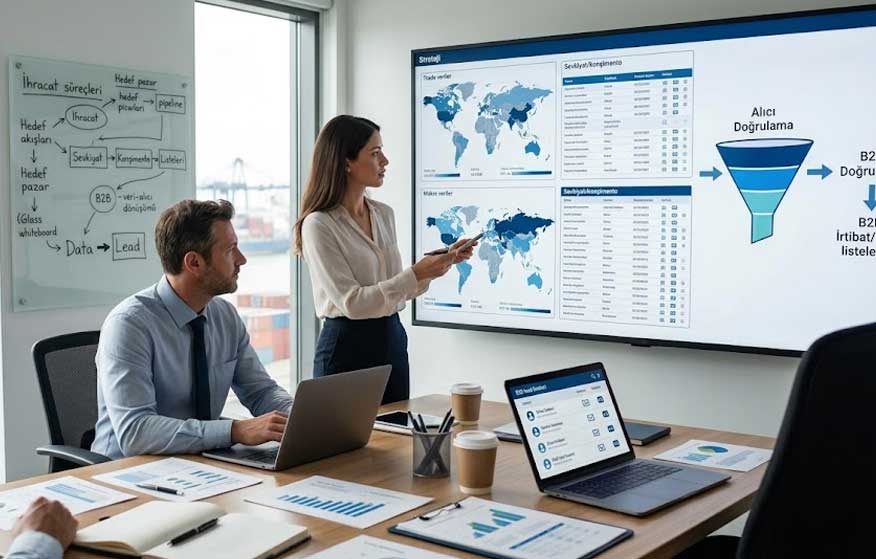
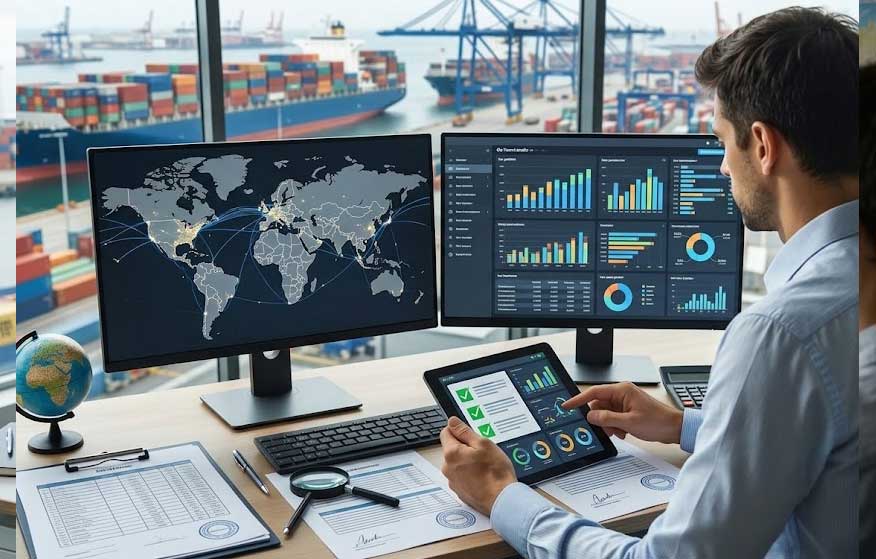
Analyze Your Markets
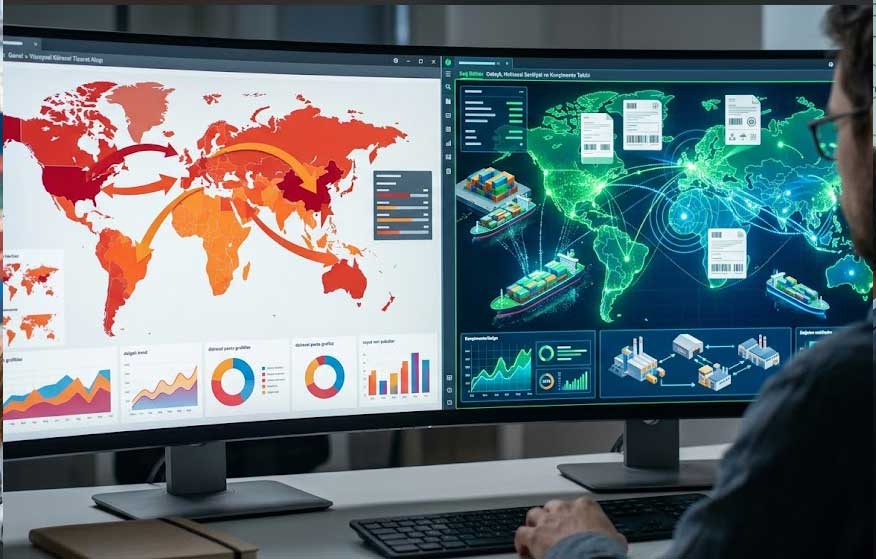
Export 5.0 surfaces real importers and suppliers in your target market in seconds, reads current trade flows, and routes you to the corporate contacts that matter. It is the operating layer for exporters who work from data instead of chasing leads.
Export 5.0 system
What Search Intent Sits Behind “Finding Export Customers”
Anyone researching this topic usually:
- Wants to find new customers (commercial intent)
- Does not know how to do it (informational intent)
- Wants quick results (task-oriented intent)
So the content cannot stay theoretical. It has to be practical. Here are the methods that work right now.
1. Don’t Start Without a Target-Market Analysis
The biggest mistake: assuming “I can sell anywhere.”
Export success begins with picking the right market.
What to do:
- Research which countries actually demand your product
- Map the competitor countries
- Look at customs duties and logistics costs
Example:
Furniture exporters out of Turkey have been growing their:
- Germany
- U.S.
- Saudi Arabia
share over the past few years.
2. Define the Right Customer Profile (ICP)
Not every customer is your customer.
Answer these questions clearly:
- Wholesaler or distributor?
- What is the minimum order quantity?
- Which industry do they sit in?
A simple ICP example:
| Criterion | Detail |
|---|---|
| Industry | Food importer |
| Country | Germany |
| Company size | Mid-market |
| Buying contact | Purchasing manager |
Outreach without a defined ICP usually fails.
3. Use B2B Platforms Effectively
Today, digital platforms are one of the fastest ways to land export customers.
The most effective platforms:
- Alibaba
- Bilvio
- Global Sources
- Europages
- TradeMap
The point worth holding onto:
A profile alone is not enough.
What to do:
- Write a professional product description
- Use targeted keywords
- Add credible product images
4. Reach Decision-Makers Through LinkedIn
By 2026, LinkedIn is a goldmine for exporters. Or use the Advanced Export Contact Finder system.
How to use it:
- Search for titles like “Import Manager” and “Purchasing Manager”
- Send a direct message
- Lead with value, not pitch
Sample message:
“Hello. I noticed you operate in the German market. As a manufacturer based in Turkey, I’d like to discuss a potential partnership.”
Copy-and-paste templates are dead. Personalization is mandatory.
5. Pull in Organic Customers via Google and SEO
The most sustainable export strategy lets the customer come to you.
To do that:
- Build an English-language website
- Create product-specific pages
- Run consistent SEO work
Example keyword:
- “Wholesale textile supplier in Turkey”
Rank for queries like that, and customers come to you.
6. The Cold Email Strategy
Done well, cold email is still one of the most effective channels. Or use marketing systems built for the job.
For a successful email:
- Keep it short
- Make a concrete offer
- Build trust quickly
Simple structure:
- Introduction
- Product advantage
- Call to action (meeting / catalog)
7. Trade Shows and Trade Delegations
Digital matters, but face-to-face still moves deals.
The advantages:
- Builds trust
- Decisions get made faster
- Your network grows
Tip:
Follow up after the show. Most companies drop the ball here.
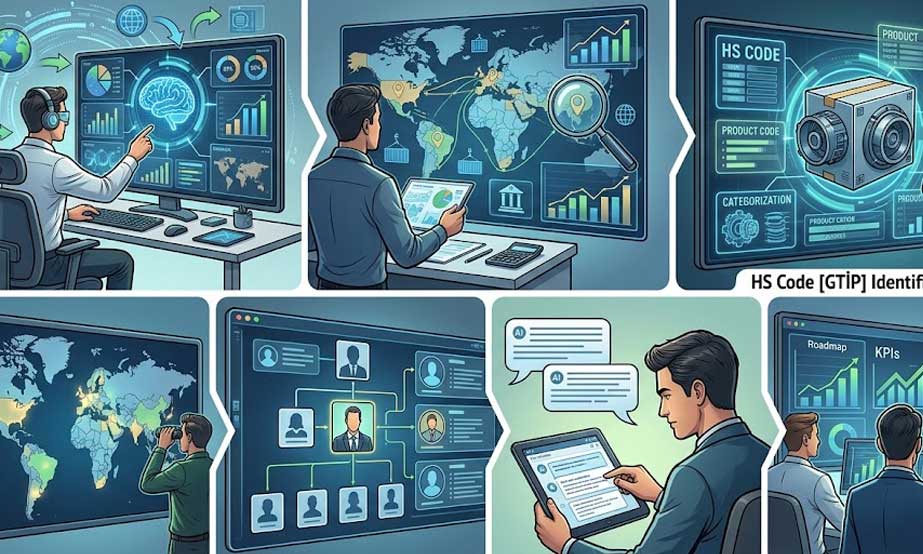
8. AI-Powered Customer Acquisition Systems
The process no longer has to run on manual effort.
Advanced systems:
- Identify target markets
- Analyze companies
- List the decision-makers
- Check whether they are still active
- Run automated marketing flows
For exporters who want to compress the timeline, platforms like www.bilvio.com/ihracat deliver real value, especially in market analysis and identifying the right buyers. They cut a manual process that would normally take weeks down to a few hours.
9. The Most Common Mistakes
Plainly, most exporters make the same mistakes:
- Skipping the target-market analysis
- Trying to sell to everyone
- Not following up
- Not looking professional
- Being impatient
Exporting is a marathon, not a sprint.
10. Expert Advice (From the Field)
After more than 10 years in the work, this is what I can tell you:
- The first customer is the hardest
- Trust is the deciding factor
- Consistency picks the winner
Things you must do:
- Use a CRM (Bilvio Export Marketing System)
- Measure the process
- Decide based on data
Frequently Asked Questions (FAQ)
1. How long does it take to find an export customer?
Usually 1 to 6 months. It depends on the industry and the strategy.
2. What is the fastest way to find customers?
A LinkedIn plus cold email combination delivers the fastest results.
3. Can small businesses export?
Yes. Small companies that find the right niche grow faster.
4. Can you export without English?
It is hard, not impossible. It is also a serious disadvantage.
5. What is the most important export channel?
There is no single channel. The best results come from a multi-channel approach.