
For Turkish manufacturers chasing sustainable growth, exporting has shifted from a nice-to-have into a structural requirement. The hard part is reaching reliable buyers in international markets. That takes a clear strategy, patience, and the right toolkit. The sections below set out a working roadmap, from established methods to current digital practice, and explain why modern intelligence platforms now save exporters meaningful time and budget.
One platform standing out across Turkey and Europe is www.bilvio.com. Its AI-driven infrastructure gives exporters direct access to buyer-level data and the kind of commercial intelligence that changes how customer acquisition runs end to end. To see the system in action, visit
Find Export Customers,
Analyze Your Markets
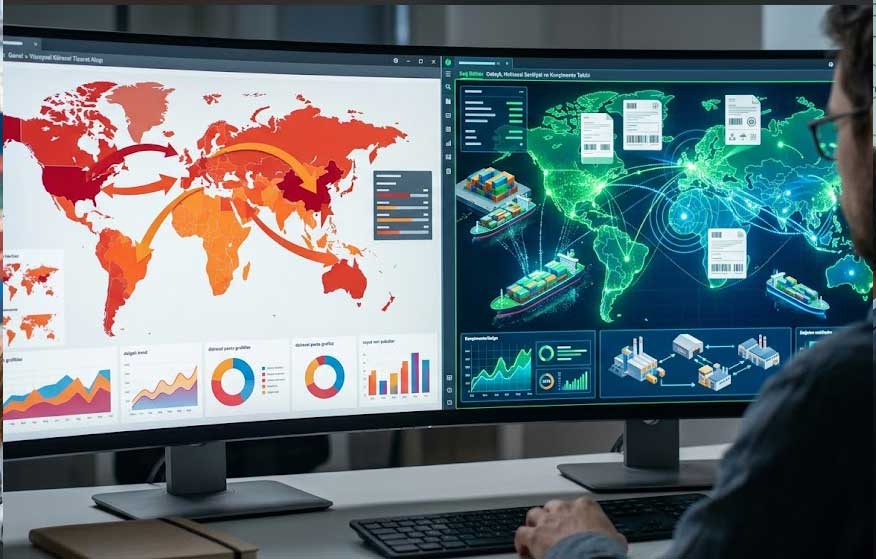
Export 5.0 surfaces buyers and suppliers in your target market in seconds, tracks trade flows with up-to-date data, and connects you to corporate contacts at importing companies. It gives exporters the digital backbone for strategic outreach.
Foundations: Market Research and Targeting Done Properly
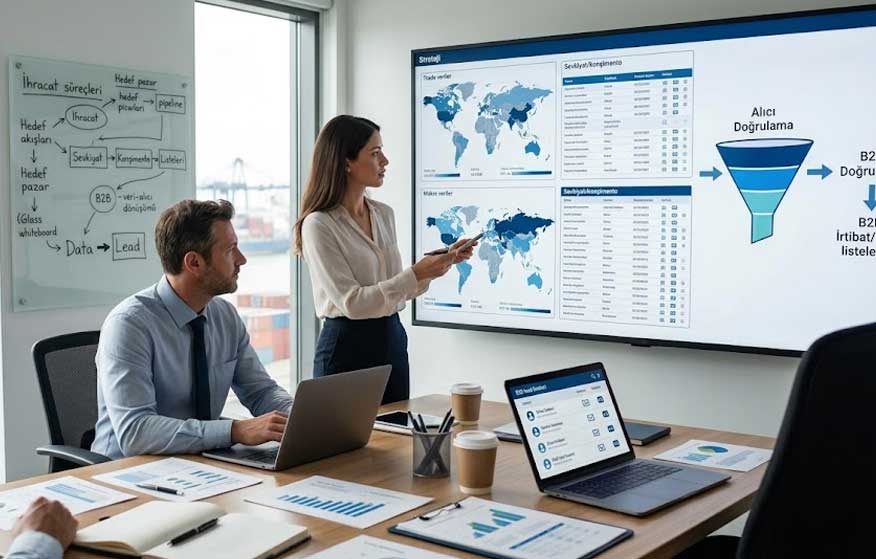
A working export operation starts with proper market research. Pushing your product into a market chosen on instinct burns budget. Decisions backed by data keep capital and time productive.
Steps in strategic market analysis:
Find the right markets. Sector reports and trade-flow data from bodies like the World Trade Organization (WTO) and the International Trade Centre (ITC) show which countries import the most of your product group.
Map the competitive field. Understanding which countries and companies dominate a given market shapes how you compete. Bilvio adds value here by exposing competitor shipment records and market shares directly.
Define the Ideal Customer Profile (ICP). Are you selling to wholesalers, distributors, or large retailers shipping to end users? A precise ICP keeps marketing and outreach pointed at the right channels.
Read the rulebook. Customs duties, import procedures, certification rules, and standards in the target country shape the operational picture. The European Union’s Access2Markets portal is a useful starting point, especially for SMEs.
Combining Established and Digital Channels
Finding export buyers works best as a multi-channel exercise. Established methods build trust; digital methods scale reach. Both have a role.
Established Methods: Trust and Relationships
Even with digital channels everywhere, face-to-face contact still matters in B2B markets.
International trade shows and trade missions. Attending a leading sector trade fair remains one of the most efficient ways to meet buyers, demo product, and pick up the current state of the market. Trade missions organized by the Ministry of Trade and Exporters’ Associations also place you in front of buyers in target markets.
Commercial counsellors and consulates. Turkey’s commercial counsellor offices abroad provide free advisory: lists of potential buyers, current market reports, and grounded notes on local business practice.
Industry associations and chambers of commerce. The international networks attached to your association or chamber are often the simplest route into a new market.
Digital Strategy: Data-Led and Targeted
The International Chamber of Commerce (ICC) reports that the digitalization of trade is one of the strongest factors helping SMEs reach global markets. The B2B trends shaping 2025 and beyond are clear: AI, personalization, and analytics.
| Digital strategy | What it does | How to apply it |
| Search Engine Optimization (SEO) | Gets your site ranking on Google, Yandex, Baidu, and other search engines in the language of your target market. | Publish blog posts, case studies, and technical pages built around product-relevant keywords (for example, “industrial valves manufacturer Turkey”). |
| B2B platforms and marketplaces | Listings on Alibaba and Kompass for global visibility, alongside next-generation intelligence systems such as Bilvio. | Use Bilvio to find which importers in which countries a competitor ships to, how often, and contact them directly. |
| Content marketing | Builds brand recognition and trust through informative material such as e-books, webinars, and short videos for prospective buyers. | Publish an English-language case study showing the productivity gain from a machine you manufacture, then share it with sector professionals on LinkedIn. |
| LinkedIn and professional networks | An effective channel for reaching procurement managers and product specialists at target accounts, especially in B2B markets. | Identify procurement managers at distributor companies in your target market and send a personalized connection note plus a short introduction. |
Commercial Intelligence: Stay Ahead with Better Data
“Data” sits at the centre of any modern export strategy. Established methods can deliver a list of prospective buyers, but the freshness and accuracy of those lists is often unclear. Cold calls and bulk email campaigns into stale lists rarely produce conversions.
This is where commercial intelligence platforms earn their place. By indexing millions of shipment records, customs declarations, and bill-of-lading entries from around the world, these systems return concrete inputs:
Real buyers. A complete list of companies actively importing your product or close substitutes.
Supplier mapping. A clear view of who your competitors are and which customers they currently serve.
Market trends. Visibility into which products are growing in which markets and the trade volumes involved.
Price and quantity intelligence. The data needed to price competitively, anchored to what importers actually pay and order.
For example, a Turkish machinery exporter can use Bilvio to identify which countries and companies the largest German machinery importers have purchased from over the past year, and how frequently. With that visible, the sales team focuses outreach on the buyers with proven demand instead of working through a generic prospect list.