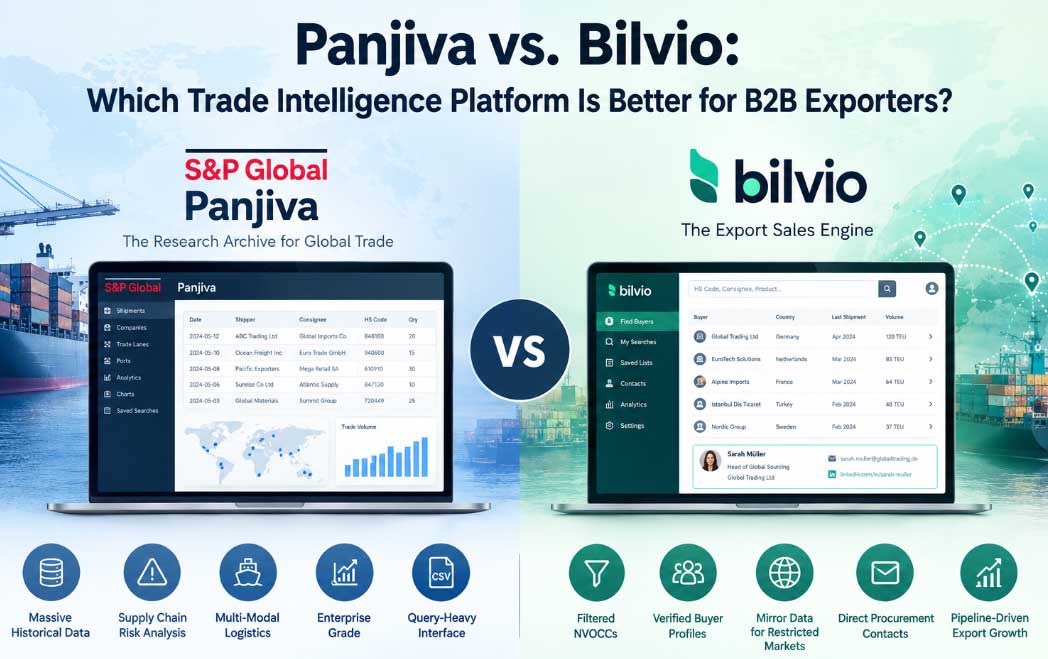
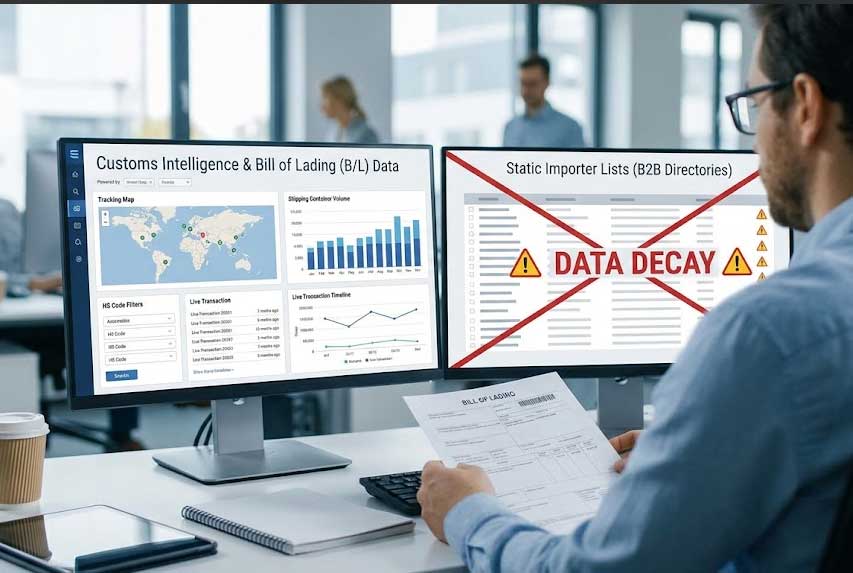
Accessing an actionable customer list in a foreign target market requires moving past static, pre-packaged company directories and using official customs declarations and maritime Bill of Lading (B/L) filings indexed by Harmonized System (HS) codes. While traditional methods—such as commercial directories, trade association registries, and national export promotion portals—provide corporate names, they fail to verify whether an enterprise is actively clearing cargo, its purchase volumes, or its current vendor relationships.
To build an outbound pipeline that converts, international sales teams must query transactional customs manifests to extract verified consignees, filter out logistics intermediaries, audit historical buying cadence, and enrich those records with verified procurement decision-makers. This operational guide breaks down the data architecture, legal transparency frameworks, and step-by-step filtering protocols required to access and qualify high-volume buyers in any target market.
Find Export Customers with AI
Analyze billions of trade data points in seconds to identify the global markets and potential customers that are right for you. Grow your export business with AI.

1. The Core Problem with Commercial “Excel Lead Lists”
Most commercial teams beginning export expansion attempt to shortcut prospecting by purchasing pre-compiled spreadsheets from lead vendors, regional trade directories, or web scrapers. These databases consistently fail due to structural data decay.
B2B company databases decay at an estimated rate of 25% to 30% annually as businesses dissolve, merge, pivot product lines, or change personnel. More critically, an entry in a general business register merely confirms corporate existence—not cross-border trade activity.
┌─────────────────────────────────────────────────────────────────────────────┐
│                       STATIC B2B DIRECTORIES vs. GUMRUK / MANIFEST DATA    │
├──────────────────────────────┬──────────────────────────────────────────────┤
│ Metric                       │ Static Purchased Directory                   │
│ Data Origin                  │ Self-reported surveys, web-scraped tags      │
│ Operational Freshness        │ Often 12–36 months out of date               │
│ Transactional Proof          │ Zero (Shows existence, not purchasing)       │
│ Middleman Contamination      │ High (Brokers, traders, and agents included) │
│ Price Sensitivity Risk       │ Extreme (Targets generic procurement inboxes)│
│ Conversion to Opportunity    │ Low (< 1.5% average cold reply rate)         │
├──────────────────────────────┼──────────────────────────────────────────────┤
│ Metric                       │ Customs Manifest & Bill of Lading (B/L) Data │
│ Data Origin                  │ Legally binding border cargo declarations     │
│ Operational Freshness        │ Real-time / 24–72 hours post-port clearance  │
│ Transactional Proof          │ Absolute (Metric tons, TEU count, arrival)   │
│ Middleman Contamination      │ Low (Direct entity screening via Consignee)  │
│ Price Sensitivity Risk       │ Low (Outreach rooted in volume capabilities) │
│ Conversion to Opportunity    │ High (8–15% qualified response rate)         │
└──────────────────────────────┴──────────────────────────────────────────────┘
When an exporter relies on static lists, sales representatives waste capital contacting companies that have never imported at scale, distributors tied to long-term exclusive contracts, or defunct entities. A viable international list must be built on verifiable trade transactions.
2. The Four Pathways to Target-Country Customer Acquisition
Exporters have four primary pathways to uncover buyer accounts in an overseas jurisdiction. Understanding where each channel succeeds—and where it hits a structural ceiling—determines resource allocation.
                     ┌────────────────────────────────────────┐
                     │ Target Country Customer Discovery      │
                     └───────────────────┬────────────────────┘
                                         │
        ┌───────────────────┬────────────┴───────┬────────────────────┐
        ▼                   ▼                    ▼                    ▼
   Path 1: Public      Path 2: Trade        Path 3: B2B          Path 4: Customs
    Macro Portals       Associations        Directories         Manifests (B/L)
  (ITC / Ministries)    & Chambers         (Yellow Pages)        (Bilvio Layer)
        │                   │                    │                    │
  * Free macro flow   * Verified local     * Broad firm list    * Verified volume
  * No entity names     membership         * No trade proof     * Exact consignee
  * Strategy only     * Static & slow      * High data decay    * Active suppliers
Path 1: Public Macro Trade Portals (ITC Trade Map, UN Comtrade)
Government and multilateral tools—such as the International Trade Centre’s (ITC) Trade Map or UN Comtrade—are essential for market selection. They reveal which countries are increasing import volumes for specific 6-digit HS codes, average unit values, and tariff barriers. However, these tools aggregate data at the state level: they show how much a country bought, but legally cannot show who bought it.
Path 2: Bilateral Chambers of Commerce and Export Promotion Councils
Commercial attachés and bilateral chambers offer vetted member directories. These lists confirm that a business is legitimate and operating within a specified sector. However, they lack transactional context: they cannot indicate whether a listed member imported two containers last week or ceased international purchasing three years ago.
Path 3: Commercial Firmographic Registries (Kompass, Europages, Dun & Bradstreet)
Firmographic aggregators provide structured intelligence on headcount, estimated revenue, and corporate hierarchies. They are valuable for enterprise background checks, but their product classifications rely on broad SIC or NAICS codes rather than precise trade-based customs declarations.
Path 4: Gümrük and Maritime Manifest Data (Bill of Lading Analytics)
The most direct method to construct an actionable customer list is to inspect customs declarations and maritime shipping manifests. Modern trade intelligence uses these filings to extract every corporate entity that has physically cleared your specific commodity through a container terminal or border checkpoint.
To turn raw customs manifests into structured pipelines, international development teams deploy a customs-based importer discovery platform to filter global commercial declarations down to verified corporate consignees operating in their precise product tier.
3. The Customs Manifest Architecture: Extracting the Bill of Lading (B/L)
Maritime trade manifest transparency is anchored in public disclosure statutes across major consumer economies. In the United States, ocean manifests are public records under 19 U.S.C. § 1431, distributed via the Automated Commercial Environment (ACE) managed by U.S. Customs and Border Protection (CBP). Similar public or semi-public transparency standards apply across significant portions of Latin America (e.g., Mexico, Colombia, Peru), India, and Southeast Asia.
When an ocean container moves internationally, the carrier generates a formal Bill of Lading. This document contains verifiable commercial points:
┌─────────────────────────────────────────────────────────────────────────────┐
│                     OCEAN BILL OF LADING RECORD (ANATOMY)                   │
├────────────────────────────────┬────────────────────────────────────────────┤
│ SHIPPER / EXPORTER             │ CONSIGNEE (IMPORTER OF RECORD)             │
│ Ningbo Precision Machinery Ltd.│ Apex Fluid Power Distribution LLC          │
│ Beilun District, Ningbo, China │ 4500 Industrial Parkway, Cleveland, OH, US │
├────────────────────────────────┼────────────────────────────────────────────┤
│ NOTIFY PARTY                   │ CARRIER / VESSEL                           │
│ Apex Logistics North America   │ Maersk Line / Vessel: Emma Maersk          │
├────────────────────────────────┼────────────────────────────────────────────┤
│ PORT OF LOADING (POL)          │ PORT OF DISCHARGE (POD)                    │
│ Port of Ningbo-Zhoushan(CNNGB) │ Port of New York/New Jersey (USNYC)        │
├────────────────────────────────┼────────────────────────────────────────────┤
│ HS CODE (Harmonized System)    │ CARGO WEIGHT / VOLUME                      │
│ 8481.80 (Taps, Cocks, Valves)  │ 22,450 kg Gross | 2x40' High Cube Containers│
├────────────────────────────────┴────────────────────────────────────────────┤
│ CARGO DESCRIPTION                                                           │
│ Industrial forged steel ball valves, Class 300, PO-99824, Inv #NPM-2026-04 │
└─────────────────────────────────────────────────────────────────────────────┘
This single legal record confirms four operational facts:
Corporate Identity: Apex Fluid Power Distribution LLC is an active commercial entity with an operational footprint in Cleveland, Ohio.
Product Alignment: The cargo matches HS 8481.80, specifically forged steel valves.
Purchasing Volume: They import in multi-container volumes (40ft High Cubes).
Supply Chain Dependency: They clear cargo originating from Ningbo-based suppliers via East Coast container terminals.
Rather than cold-pitching a business directory, sales teams target an enterprise with documented, recurring demand for their exact manufacturing capabilities. Mastering this data extraction is covered extensively in Bilvio’s guide to leveraging bill of lading and customs data, which outlines how raw customs filings are normalized into structured B2B sales pipelines.
4. Step-by-Step Methodology: Building a Target-Country Customer List
Transforming raw shipping flows into a functional sales database requires a strict four-step filtering process. Without this workflow, exports teams risk filling their CRM with freight intermediaries instead of real buyers.
  ┌───────────────────────────────────────────────────────────────┐
  │ STEP 1: HS / HTS CODE GRANULAR CLASSIFICATION                 │
  │ Identify 6-digit international root + national 8-10 digit code│
  └───────────────────────────────┬───────────────────────────────┘
                                  ▼
  ┌───────────────────────────────────────────────────────────────┐
  │ STEP 2: JURISDICTIONAL LOGISTICS FILTERING                    │
  │ Screen out Non-Vessel Operating Common Carriers (NVOCCs)      │
  │ and customs brokers from the Consignee field                  │
  └───────────────────────────────┬───────────────────────────────┘
                                  ▼
  ┌───────────────────────────────────────────────────────────────┐
  │ STEP 3: CADENCE & IMPORT CONCENTRATION AUDIT                  │
  │ Calculate shipment frequency, volume trends, and seasonality  │
  └───────────────────────────────┬───────────────────────────────┘
                                  ▼
  ┌───────────────────────────────────────────────────────────────┐
  │ STEP 4: DECISION-MAKER ATTRIBUTION & CONTACT ENRICHMENT       │
  │ Map corporate entity to VP of Sourcing / Procurement Director │
  └───────────────────────────────────────────────────────────────┘
Step 1: HS Code Granular Classification
The Harmonized System (HS), established by the World Customs Organization (WCO), standardizes physical commodity classifications globally across its first 6 digits.
Digits 1–2: Chapter (e.g.,
84= Machinery and mechanical appliances)Digits 3–4: Heading (e.g.,
8481= Taps, cocks, valves for pipes or tanks)Digits 5–6: Subheading (e.g.,
8481.80= Other appliances)
When generating customer lists, query your primary product at the 6-digit level across the destination market. If targeting jurisdictions with higher statistical granularity—such as the United States (10-digit HTS) or the European Union (8-digit Combined Nomenclature / 10-digit TARIC)—use the national-level code to isolate niche variations (e.g., isolating stainless steel ball valves from brass residential plumbing fixtures).
Step 2: The Intermediary Cleaning Protocol
A common pitfall when extracting customs manifests is finding logistics service providers occupying the Consignee field. Freight forwarders, customs brokerages, and Non-Vessel Operating Common Carriers (NVOCCs)—such as Expeditors International, Kuehne+Nagel, or DSV—frequently appear as the nominal importer of record on Master Bills of Lading.
To purify the customer list:
Identify Master vs. House B/L: Filter data streams to isolate House Bills of Lading (HBL), where the beneficial cargo owner (the actual buyer) is named.
Apply Forwarder Exclusion Filters: Cross-reference consignee names against global logistics carrier registries. Any entity registered as a freight forwarder, 3PL, or bonded warehouse operator should be programmatically flagged.
Inspect the “Notify Party” Field: If the Consignee is listed as “To Order of Shipper” or names a customs broker, the Notify Party field often contains the true commercial buyer who takes possession of the goods at the destination container yard.
Step 3: Assessing Buyer Health and Purchasing Cadence
An importer who cleared a single container three years ago and stopped is not a viable prospect. A qualified customer list must score prospects by transaction cadence:
Active Status: A minimum of one cleared shipment within the past 90 to 120 days.
Volume Stability: Predictable order placement (e.g., 2–4 TEUs per month vs. erratic one-off shipments).
Vendor Diversification Score: Does the importer rely entirely on a single overseas conglomerate, or do they actively purchase from two to four international factories? Importers with multi-vendor networks are structurally positioned to onboard alternative suppliers.
Sales strategists can accelerate this vetting by tracking competitor customer networks, revealing which international buyers are actively receiving shipments from direct industry rivals.
┌─────────────────────────────────────────────────────────────────────────────┐
│                    BUYER TRANSACTION CAPACITY MATRIX                        │
├─────────────────┬───────────────────┬───────────────────┬───────────────────┤
│ Tier Category   │ Annual Volume     │ Operational Model │ Procurement Style │
├─────────────────┼───────────────────┼───────────────────┼───────────────────┤
│ Tier 1: Major   │ > 100 TEUs        │ National logistics│ Contract tenders; │
│ Enterprise      │ (> 2,000 MT)      │ infrastructure    │ strict ISO audits │
├─────────────────┼───────────────────┼───────────────────┼───────────────────┤
│ Tier 2: Mid-Tier│ 15 – 99 TEUs      │ Regional wholesale│ Values-based;     │
│ Distributor     │ (300 – 1,999 MT)  │ and value-add hub │ agile decisions   │
├─────────────────┼───────────────────┼───────────────────┼───────────────────┤
│ Tier 3: Niche / │ 2 – 14 TEUs       │ Local specialist  │ Spot orders;      │
│ Spot Buyer      │ (< 300 MT)        │ or end-user       │ rapid conversion  │
└─────────────────┴───────────────────┴───────────────────┴───────────────────┘
5. Identifying the Decision-Maker: From Corporate Entity to Direct Outreach
Once you have isolated a list of qualified importing entities, your sales team must identify the correct individual. Shipping manifests contain legal entity names and physical delivery addresses, but they do not list the direct email addresses or phone extensions of corporate officers.
Corporate Registry Verification
Cross-reference the corporate entity name from the customs manifest with the target market’s official business registry to confirm current legal standing, parent company relationships, and corporate filings:
United States: State-level Division of Corporations (e.g., Delaware Division of Corporations, California Secretary of State business search).
United Kingdom: Companies House (accessing free filings, registered officers, and annual accounts).
European Union: European Business Registry (EBR) and national registries (e.g., Handelsregister in Germany, Infogreffe in France).
Org-Chart Role Mapping
Do not email generic inbox addresses (info@, sales@, or contact@). These accounts route to office managers or sales staff who routinely delete supplier pitches. Target the procurement decision-makers:
┌─────────────────────────────────────────────────────────────────────────────┐
│                   TARGET PROCUREMENT PERSONA HIERARCHY                      │
├────────────────────────────────┬────────────────────────────────────────────┤
│ Industrial Enterprise (> $50M) │ Mid-Sized Importer/Distributor ($10M-$50M) │
├────────────────────────────────┼────────────────────────────────────────────┤
│ * VP of Global Sourcing        │ * Director of Supply Chain                 │
│ * Chief Procurement Officer    │ * Sourcing / Purchasing Manager            │
│ * Category Procurement Director│ * Managing Director / Managing Partner     │
└────────────────────────────────┴────────────────────────────────────────────┘
Cross-reference the company’s verified domain on LinkedIn or professional organizational directories to locate the executives occupying these titles. Validate their direct email address using MX-record verification tools to ensure zero-bounce delivery before initiating outreach.
6. Cold Outreach Architecture Grounded in Customs Intelligence
Executive procurement managers reject generic introductory emails. To capture attention, your communication must demonstrate that you understand their operational footprint, supply chain cadence, and product category.
The Transaction-Grounded Outreach Framework
Subject: Supply chain diversification for [Target HS Code / Specific Product Line]

Dear [First Name of Procurement Director],

I am contacting you regarding your ongoing ocean freight imports of [Exact Product Description, e.g., precision stainless steel flanges] through [Primary Port of Discharge, e.g., Port of Houston].

We understand that maintaining delivery schedules and strict material tolerances ([e.g., ASTM A182 / EN 1092-1 standards]) across your regional distribution network requires reliable, diversified manufacturing partners.

[Your Company Name] operates [X] certified production facilities in [Country of Origin], producing [annual capacity in Units or Metric Tons] of [Product Category]. We currently support Tier-1 distribution accounts across [Region/Continent] under [Incoterms, e.g., FOB or CIF] terms.

In light of recent freight volatility and capacity adjustments within [Current Supplier Region], we provide:
1. Documented material test certificates (MTC 3.1) and third-party QA validation per container.
2. Production-to-port dispatch within [X] days, supported by direct ocean carrier contracts.
3. Flexible commercial terms: [e.g., Net 30/60 day settlement upon established trade credit].

Could we provide a comparative landed-cost breakdown and technical specification sheet against your upcoming quarterly purchasing allocation?

Sincerely,

[Your Name]
[Director of Global Business Development]
[Company Name] | [Direct Phone / Corporate Mobile]
[Corporate Domain Website] | [LinkedIn Profile URL]
This communication succeeds because it does not read like spam. It speaks directly to the recipient’s daily operational realities: ports, specifications, quality standards, and landed costs.
7. Compliance, Trade Law, and Data Protection
B2B prospecting across international borders requires compliance with regional direct-marketing and data privacy laws.
GDPR Compliance in the European Union
Under the General Data Protection Regulation (Regulation (EU) 2016/679), processing personal data for B2B prospecting is permissible under the legal basis of Legitimate Interest (Article 6(1)(f)), provided:
Relevance: The product directly relates to the recipient’s professional role (e.g., pitching industrial valves to a valve procurement manager, not an HR manager).
Proportionality: Outreach is targeted and limited in frequency.
Right to Object: Every communication contains a clear, one-click mechanism to opt out of future correspondence.
US CAN-SPAM Act
The CAN-SPAM Act permits unsolicited commercial emails to corporate personnel in the United States without prior opt-in, provided:
The header information (From, To, routing domain) is entirely accurate.
The subject line reflects the message content.
A valid physical postal address of the sender is visible.
The message contains an opt-out mechanism that is processed within 10 business days.
8. Frequently Asked Questions
Can I obtain a list of overseas importers completely free of charge?
Public trade databases (such as UN Comtrade or ITC Trade Map) provide macroeconomic import values and partner countries for free, but they do not disclose private company names. The United States government provides access to public manifest records via CBP, but raw manifest data requires specialized data pipelines to parse, clean, and eliminate duplicate records. Commercial trade intelligence software normalizes this raw customs data into accessible search interfaces.
Is it legal to access Bill of Lading records to identify commercial buyers?
Yes. Maritime bills of lading and import manifests are public government records by law in several major trading nations, including the United States (19 U.S.C. § 1431). Utilizing this transparency to identify business entities conducting international commerce complies fully with international trade practices and B2B marketing laws.
How do I filter out logistics companies and freight forwarders from my importer list?
Logistics intermediaries can be filtered by isolating House Bills of Lading (HBL) rather than Master Bills of Lading (MBL), cross-referencing company names against registered NVOCC and freight forwarder registries, and checking the “Notify Party” field, which typically designates the actual beneficial owner taking delivery of the goods.
What is the minimum HS code level required to construct an accurate customer list?
You must classify your goods to at least the universal 6-digit HS code level. The first 6 digits represent the global standard established by the World Customs Organization. When querying specific national jurisdictions (e.g., 10-digit HTS in the US or 8-digit TARIC in the European Union), using the country-specific subheadings allows you to isolate exact material grades and specialized product categories.
How often should an international customer list be updated?
Customer lists should be updated continuously, or refreshed at least once per quarter. Trade dynamics shift quickly: an importer may shift sourcing countries due to tariff adjustments, exhaust their inventory credit lines, or adjust vendor relationships within a single 90-day procurement cycle.