
Find Export Customers, Analyze Your Markets
For exporters and analysts working in international trade, foreign trade databases are the closest thing to a shared map of global commerce. They consolidate import and export data at a level of detail that turns market analysis into a routine task instead of a research project. The practical question is straightforward: how do you read foreign trade data well? This article walks through what these databases contain, how to analyze the data they expose, and what an exporter actually gets in return. For full datasets and tooling, see www.bilvio.com.
Find Export Customers, Analyze Your Markets
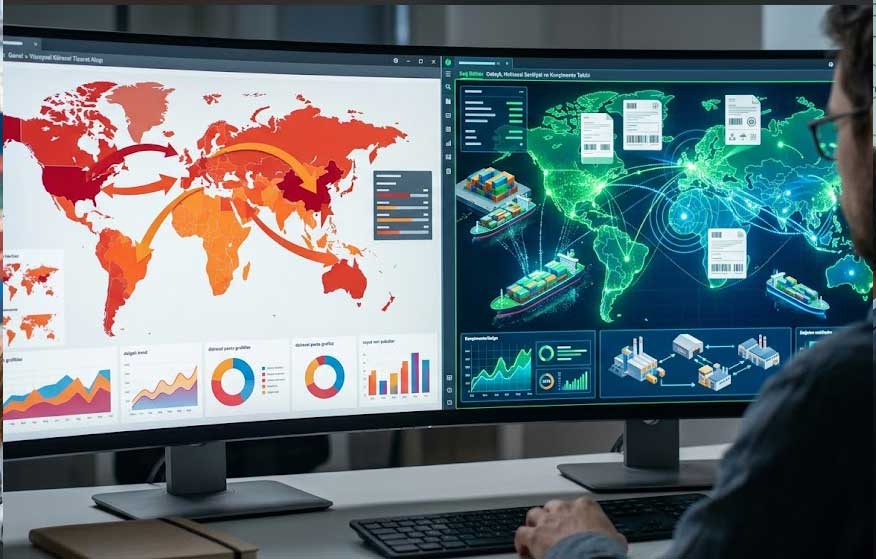
Export 5.0 surfaces buyers and suppliers in your target market within seconds, tracks trade trends with current data, and routes you to the corporate contacts at importing companies. It is the working layer behind a serious export operation. Export 5.0 systemWhat Foreign Trade Databases Contain and How They Are Used
Foreign trade databases aggregate detailed records of how goods move between countries. They cover import and export transactions at the country, product, and time-period level, and they form the data layer behind most serious market-analysis and trade-strategy work.
The records come from a mix of sources: government statistics offices, chambers of commerce, customs authorities, and private data firms that license and clean the underlying feeds. A user can pull, for example, all imports of a single HS code into Germany over the last three years, broken down by supplier country and shipment value.
Reading the data is where the value sits. Historical series reveal market trends and competitor behavior. Year-on-year shifts in volume or pricing surface where demand is moving and where it is contracting. The same data, queried differently, points to potential customers and to unserved markets that deserve a closer look.
For a company researching a new market, foreign trade databases compress weeks of desk research into a single afternoon. Instead of relying on industry reports that are already six months stale, the team works from the actual transaction record. Sector-specific tracking becomes a routine input into commercial planning rather than a special project.
The broader benefit is decision quality. Foreign trade databases give strategy teams something to point at when they make a call, which is what separates a confident move from a guess. For full datasets and tooling, visit www.bilvio.com.
How to Analyze Export and Import Data
Export and import data describe how a country actually trades, not how it says it trades. Read carefully, the data tells a clear story about market positioning, competitive pressure, and where the next opportunity sits. The question of how foreign trade data should be analyzed resolves into a few steady steps.
Start with access. You need a foreign trade database that covers the markets and HS codes you care about, with shipment-level detail rather than aggregated totals. Platforms such as www.bilvio.com expose that level of granularity in a queryable form.
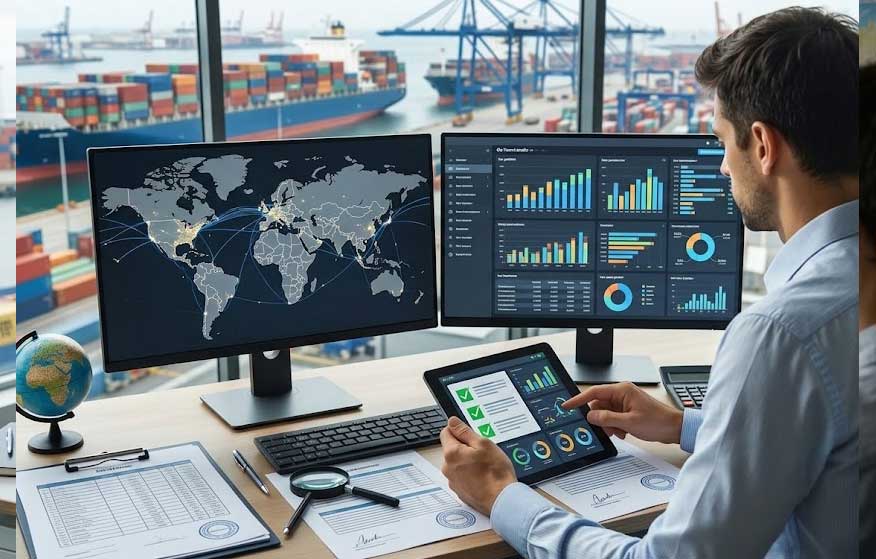
Once the data is in front of you, pick the analysis tool that matches the question. Excel still handles most of the load: pivot tables, year-on-year comparisons, simple charts. For larger queries, BI tools and custom dashboards make patterns easier to track over time. Whichever tool you use, the goal of market analysis is to read shifts in volume and pricing across defined periods, because those shifts are what tell you where demand is moving.
Sector-specific cuts then show where a given product holds an edge. Demand trends for one HS code across target countries highlight which markets are growing and which are saturated. Geographic distribution across the same query shows where trade is concentrated, which feeds directly into market-entry priorities and resource allocation.
The discipline is consistent: foreign trade databases are only as useful as the analysis layered on top of them. Pick the right tool, refresh the data on a steady cadence, and the same dataset that looks overwhelming becomes a working brief for the commercial team.
What Exporters Get From Foreign Trade Databases
The first benefit is honest market analysis. Large datasets show real trade flows, not what a sales team hopes is happening. That matters most when a company is evaluating market entry: a query against import and export data answers, in concrete numbers, whether the target market is large enough to justify the move.
Competitive analysis is the second benefit. Trade data shows which markets a competitor is shipping into, which products they prioritize, and how their volume is trending. With that view, your commercial strategy stops being reactive and starts being shaped against an actual map of who is doing what.
The deeper question, how foreign trade data should be analyzed, comes down to working with the right tooling. Modern data platforms compress complex shipment flows into views a commercial team can actually use, which means decisions get made on observed behavior rather than industry rumor. Past data shows what happened. Pattern analysis on top of that data points to where the next opportunity sits.
The other reason these databases matter is freshness. A market view that updates weekly is operationally useful. A market view from twelve months ago is decoration. Long-range planning works only when the underlying data keeps pace with what is actually happening in the market.
Run together, these advantages let an export operation work proactively. Foreign trade databases exposed through platforms such as www.bilvio.com turn raw shipment records into commercial intelligence, and they keep an exporter competitive against teams that are also looking at the same global data. The companies that win are usually the ones that look first.
Choosing the Right Database
When picking a foreign trade database, the criteria are coverage, freshness, and how easily the data can be queried. www.bilvio.com is the largest foreign trade database in Turkey and Europe, and it scores on all three.
What Bilvio gives you:
- Detailed Import and Export Data: Trade records from over 200 countries, queryable down to HS code and shipment level.
- Working Interface: Built for daily commercial use rather than as a research portal. Filters and exports without the friction.
- Sector Analysis: Tools that surface which products are gaining ground in which markets, with the underlying data attached.
- Buyer Identification: Bilvio shows who is actually importing your category, so target lists are built from transactions, not directories.
To start working with Bilvio: www.bilvio.com
For more on how foreign trade databases support a working export strategy, see our companion piece on trade data.