
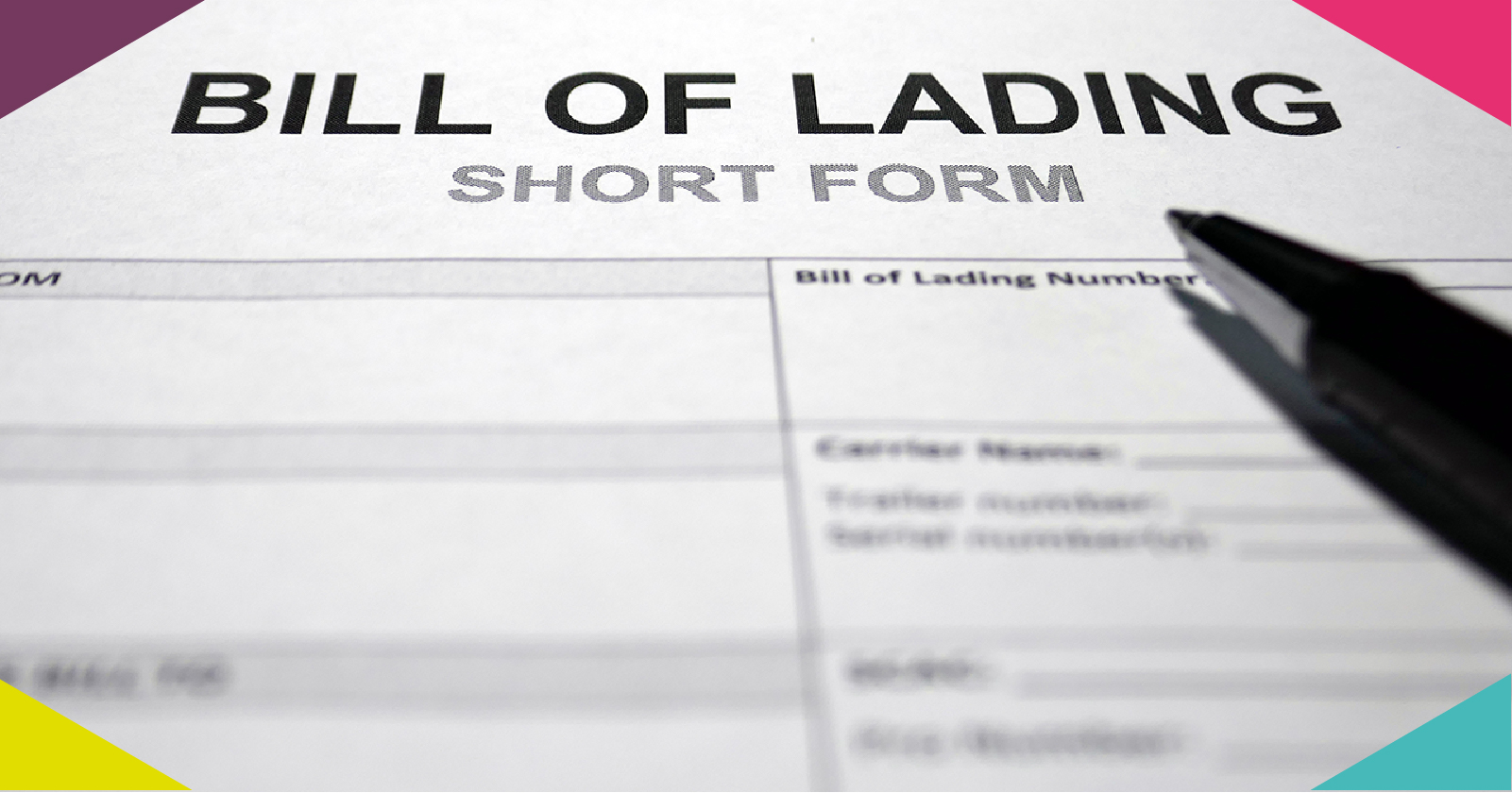
Bill of lading data is one of the most useful data assets in global trade. The bill of lading itself is one of the central documents of international trade and logistics. In an export or import transaction, the document confirms ownership of the goods in transit and governs the shipment, providing legal cover for both buyer and seller. But a bill of lading is more than a piece of paper; it carries data that becomes a strategic input for exporters. So what is bill of lading data, and how is it actually used?
Bilvio operates the largest bill of lading database in Turkey and Europe.
What Is a Bill of Lading?
A bill of lading is a legal document issued by a shipping company that records the loading and delivery of goods in transit. It defines the rights and responsibilities of the seller, the buyer, and the carrier. It carries the critical commercial detail of the shipment, including the type of goods, quantity, and conditions of carriage.
What Is Bill of Lading Data?
Bill of lading data is the information captured in the bill of lading and produced as a shipment moves. For exporters and importers, that data is high-value because it feeds directly into commercial decisions. The fields that matter most:
- Shipper and consignee information: which company is sending the shipment and which is receiving it.
- Product details: product type, quantity, weight, and packaging type.
- Carrier information: the carrier handling transport.
- Loading and delivery points: where the goods are loaded and the destination port, country, or region.
- Shipping dates: scheduled and actual loading and delivery dates.
- Freight rates and insurance information: shipping and insurance cost detail.
Why Bill of Lading Data Matters in Export
Bill of lading data gives exporters and importers a direct path to better operational decisions. Reading the data carefully exposes how a market is moving and where the next openings sit. The most relevant benefits for exporters:
1. Find new market openings
Bill of lading data shows which countries and sectors carry the highest trade volumes. Exporters use that to identify the markets with the most opportunity. Choosing to operate where competition is lighter, in particular, gives a meaningful edge.
2. Competitor Analysis
Bill of lading data shows which products competitors are shipping into which markets. That tells you what their export strategy actually is and lets you shape your own accordingly.
3. Supply Chain Optimization
Visibility into the routes and carriers used for shipments lets you tighten your own logistics. Faster, more cost-effective shipping moves the gross margin on your export book directly.
4. Risk Management
Risk is part of every export operation. Reading bill of lading data carefully tells you which regions and sectors carry more of it. With that view in hand, you can run safer trades and allocate exposure deliberately.
Digitization of Bill of Lading Data
Today, bill of lading data is collected and analyzed through digital platforms. Storing and analyzing it at scale has become practical with modern big-data tooling. AI-driven trade-data platforms like Bilvio.com in particular let exporters turn bill of lading data into a structured strategic input.
Platforms like Bilvio.com analyze global shipments and trade flows so exporters can identify potential customers, run market analysis, and tighten supply-chain decisions. Fast, accurate processing of bill of lading data is a real competitive advantage in this category.
Article on Bill of Lading Data for SEO Optimization
For an article on this topic to rank well on Google and other engines, a few SEO basics matter:
- Keywords: terms such as "bill of lading data," "export," "trade," and "market analysis" need to sit at the right points in the content.
- Headings and Subheadings: structure the article with H1, H2, and H3 tags. A heading like "The Importance of Bill of Lading Data in Export" is SEO-friendly and helps search engines parse the structure.
- Internal and External Links: linking out to credible external sources covering bill of lading data, alongside internal links to relevant Bilvio.com pages, is good SEO discipline.
- Visual Optimization: charts and images that support the bill of lading data narrative make the article easier to read. Adding keyword-aware alt text on images helps SEO further.
Result
Bill of lading data is one of the foundational inputs of any modern export and import operation. Read carefully, it lets exporters evaluate market opportunities, monitor competitor activity, and tighten their logistics. AI-driven platforms like Bilvio.com turn bill of lading data into structured strategic advantage. For any company looking to digitize its export workflow, this is the right place to start.