The Benefits of Exporting
Expanding into new markets: The business expands its customer base and gains access to different markets. You can read the related article here.
Risk diversification: Not relying solely on local demand provides an advantage during times of crisis.
Utilizing full production capacity: This enables cost advantages through economies of scale.
Foreign exchange revenue and financial strengthening: Cash flow and capital structure are strengthened.
Brand awareness: Establishing a presence in international markets enhances product and brand value.
Types of Exports
Unrestricted Export: The export of products that do not require additional authorization.
Exports Subject to Prior Approval: Sectors requiring special permits, such as defense, chemicals, and strategic raw materials.
Registration-Based Exports: The export of certain products is subject to a registration requirement.
Credit Export: A model in which payment is collected on credit or in installments.
Steps to Take Before Starting to Export
1. Membership in the Exporters’ Association
Membership in the relevant exporters’ association is mandatory based on the product category. Export operations officially begin once the admission fee has been paid.
2. Working with a Customs Broker
A professional customs broker ensures speed and accuracy in the preparation of customs declarations, tariff classification, document verification, and inspection processes.
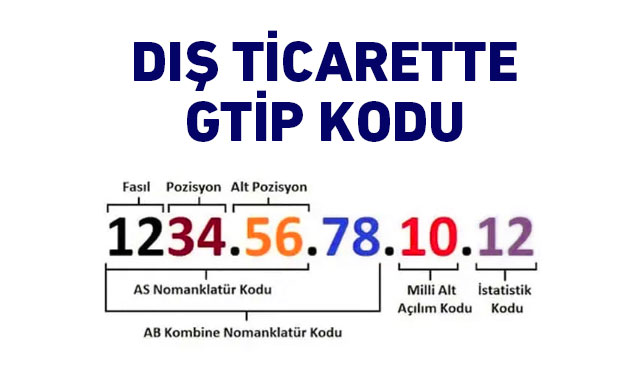
3. Correctly Determining the HS Code
The Harmonized System (HS) code provides an international classification for products and helps ensure the correct tax rate is applied. Incorrect coding can lead to additional costs and delays. For more detailed information about the HS code, you can read this article.

How Does the Export Process Work?
1. Market Research
Demand, price ranges, distribution channels, and competitive conditions in target countries are analyzed. Trade offices, sector-specific reports, and digital databases serve as valuable resources in this regard.
2. Customer Acquisition and Proforma Invoice
We contact potential buyers and send them a pro forma invoice detailing the price, delivery terms, and payment method.
3. Contract and Production Plan
The export contract to be signed between the parties will specify the product description, delivery times, Incoterms, and payment terms. A production and inventory plan will then be prepared.
4. Document Preparation
Required Documents:
Commercial invoice
Packing list
Customs declaration
Bill of Lading (road, sea, air, rail)
Optional documents by product or country:
Certificate of Origin
A.TR or EUR.1 movement certificates
Health and Plant Health Certificate
Insurance policy
5. Customs Procedures and Inspection
An electronic customs declaration is submitted, and the product undergoes inspection via the yellow, red, or blue lane.
6. Shipping and Export Procedures
A freight agreement is concluded with the carrier, the cargo is loaded, and the shipment leaves the country.
Payment Methods
Cash in Advance: The buyer pays the amount before shipment; this is the safest method for the exporter.
Letter of Credit: Payment is made subject to certain conditions, backed by a bank guarantee.
Documentary Payment: Payment is made against the presentation of documents.
Cash on Delivery: Payment is made after the product is delivered; this is the riskiest model for the exporter.
Foreign Currency Collections and Exchange Transactions
The export proceeds must be repatriated within six months of the actual export date. A Foreign Exchange Acceptance Certificate is issued through the bank, and the transaction is closed.
Grants and Incentives
Non-repayable grants for items such as market research, trademark registration, and the rental of overseas offices and warehouses.
Low-interest loans and guarantee mechanisms.
Special R&D and marketing incentives for technology and design-focused businesses.
Tips for Risk Management
Regulatory compliance: Keeping abreast of customs and quality standards in target markets.
Certification: Facilitating market entry through CE, FDA, organic, and ISO certifications.
Logistics optimization: Reducing costs through warehousing, multimodal transportation, and insurance.
Digital marketing: Expanding the customer base through multilingual websites and B2B platforms.
Financial hedging: Managing currency risk through futures contracts and managing fluctuations in raw material prices through long-term supply agreements.