
One of the most common reasons for failing to make sales in exports is this: trying to sell
to the wrong companies.
Many exporters lose time, budget, and motivation because they cannot clearly distinguish between existing customers and potential customers. Yet a well-defined list of potential customers forms the foundation of export sales.
In this article, we clarify the concept of a potential customer and provide a step-by-step guide on how to identify genuine potential customers in the export sector.
Find Export Customers,
Analyze Your Markets
Export 5.0 identifies buyers and suppliers in your target market within seconds, analyzes trade trends and your target markets using up-to-date data, and helps you reach companies’ corporate contacts. It provides a robust digital infrastructure for strategic marketing.
Export 5.0 system
What Does “Potential Customer” Mean?
A potential customer is an individual or company that is likely to purchase your product
, has a need for it, and has the authority to fulfill that need.
It is important to make a distinction:
❌ Not every company is a customer
❌ Not every contact you make is a potential customer
✔️ A potential customer is a company with a high likelihood of making a purchase
In the export sector, potential customers are typically companies that are already importing or have the capacity to import.
The Difference Between a Customer and a Potential Customer
| Customer | Prospective Customer |
|---|---|
| He bought it from you | There is a possibility of purchase |
| A business relationship has been established | No sales yet |
| Prices and terms are clear | The bidding and communication process is ongoing |
| The post-sale process begins | Requires pre-sale analysis |
The sales process in exports begins with lead generation and continues with the sale.
Why Are Potential Customers So Important in Exporting?
The right list of potential customers:
Increases the conversion rate
Reduces the sales cycle
Reduces marketing costs
Boosts the sales team’s motivation
Sales efforts based on inaccurate customer lists, however, usually fail to yield results.
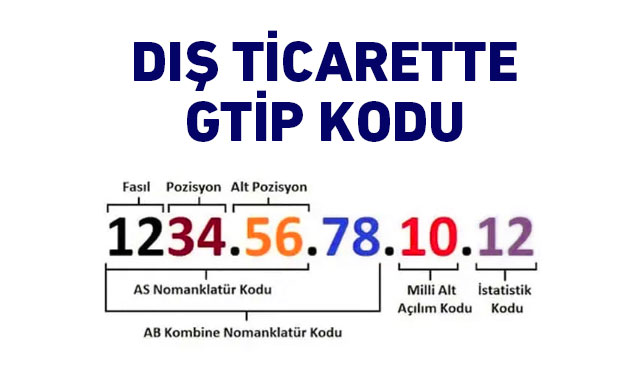
1. Clarity of Product and HS Code: The Essential Starting Point
The first step in generating leads is clear:
What are you selling, and how is this product defined in the market?
For a product with an unclear HS code:
It is difficult to find the right importer
Companies in the wrong industry are targeted
Contact is made with companies that do not have purchasing authority
The HS code serves as a filtering tool for lead generation.
2. You Can’t Generate Leads Without Identifying Your Target Market
Potential customers are not selected at random from various countries.
First, the following questions must be answered:
In which countries is there demand for my product?
In which markets are imports regular?
In which countries can competition be managed?
Customer lists created without answering these questions are generally ineffective.
3. Who Is a Potential Customer? (Specifically for Export)
Potential customers in the export sector typically include:
Importing companies
Wholesalers
Distributors
Companies that are manufacturers and import raw materials
Major buyers purchasing in bulk
However, the key point is this:
These companies must actually be importing goods.
4. Not a Random List, but a Targeted List of Potential Customers
A good list of potential customers should meet the following criteria:
You are importing or have imported your product
Active in the target market
Purchase volume is tailored to your capacity
Contact information is up to date
The decision-maker can be reached
Lists that contain only company names are not lists of potential customers.
5. Data-Driven Lead Generation
Today, the most effective way to generate leads in exports is through data-driven analysis.
Using this method:
Which company imports what
How often does it import?
From which countries does it source its products?
In which product categories is it active?
can be seen.
This way, sales teams don’t waste time on companies that aren’t interested.
6. Generating Leads with Bilvio
Bilvio is one of the digital platforms that enables lead generation through data analysis based on HS codes.
Thanks to Bilvio:
Importing companies are identified based on the HS code
Buyer profiles in target markets are analyzed
Companies with a history of frequent purchases are given priority
Sales teams work with qualified customer lists
This approach makes lead generation systematic and measurable.
🔗 To generate leads for exports: www.bilvio.com/ihracat
7. Common Mistakes Made When Generating Leads
Just collecting email addresses
Targeting companies without purchasing authority
Do not use the country and industry filter
Working with outdated data
Assuming every company is a potential customer
These mistakes prolong the sales process and lead to failure.