
Today, one of the most critical elements of a successful export strategy is having a robust commercial intelligence infrastructure. Especially for companies looking to expand into international markets, platforms that offer extensive data and analysis capabilities provide significant advantages. As one of the leading solutions in Turkey and Europe in this field, www.bilvio.com/ihracat empowers exporters with unparalleled intelligence through its unique database, market, and competitor analytics. Through this platform, users can analyze not only customer data but also competitor and market dynamics with unmatched speed and detail; this allows them to mitigate risks and capitalize on opportunities more quickly. Bilvio is actively preferred by professionals in the field as one of the most effective business intelligence applications in Turkey and Europe in terms of scope and timeliness.
Find Export Customers, Analyze Your Markets
1. The Fundamentals and Key Tools of Business Intelligence in the Digital Age
In modern international trade, business intelligence is no longer just about tracking the past; it is about anticipating the future and basing decision-making processes on real data. Leading companies analyze trends, opportunities, and risks in global markets using the following methods:
Digital Platforms and Databases: Thanks to AI- and automation-enabled infrastructure, particularly on a global scale, portfolios of potential customers, suppliers, and competitors in target markets can be analyzed in real time.
Official Statistics and Trade Reports: All official sources and international intelligence portals related to traffic, demand, and import and export volumes support the use of reliable data in making business decisions.
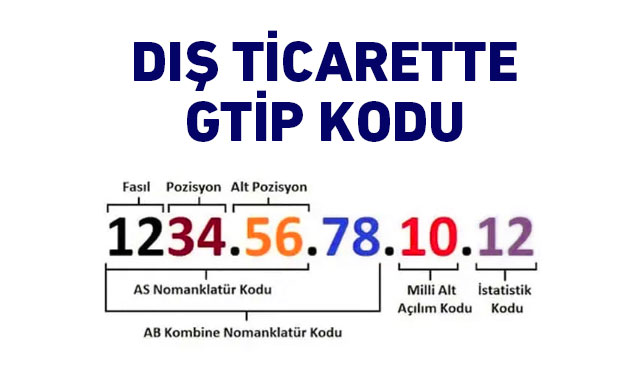
Smart Search and Segmentation: Using GTIP-based product research, you can view the transaction volume, product variety, and price ranges of both customers and competitors in detail.
Algorithmic Analysis and Automation: With big data, machine learning, and AI-powered software, dynamic market and customer analysis goes far beyond manual processes. Programs like Bilvio make millions of suppliers and buyers accessible in one place, with up-to-date and detailed information.
Digital business intelligence is not just about gathering information; it also enables that information to be processed and transformed into insights that can be directly conveyed to decision-makers.
2. Strategic Implementation: From Analysis to Decision-Making, Competitor and Market Dynamics
The process for a successful business intelligence application proceeds as follows:
Defining the Objective and Target Market: The target market, priority customer segments, and measurable objectives are identified.
Data Collection and Analysis: Market size, demand trends, major importers/buyers, and competitors are analyzed using digital intelligence sources (e.g., Bilvio). Trade barriers, logistics conditions, price levels, and regulatory risks are assessed for target countries using up-to-date filters.
Strategic Decision-Making and Implementation: The insights gained from analyses are used to determine which customers to target, as well as to shape pricing and marketing strategies. Competitor monitoring, pricing and distribution adjustments, and investment decisions are all based on up-to-date intelligence.
Reporting and Monitoring: Following the initial analysis, market and competitor dynamics are regularly monitored, and a proactive approach is taken toward new opportunities and threats.
Today, advanced business intelligence programs, when integrated with data-driven CRM and sales automation, provide significant time and cost savings for exporters and decision-makers.