
One of the most critical steps to success in exporting is accessing the right customer data and building reliable, sustainable relationships with potential buyers. In today’s global trade landscape, accessing and effectively managing customer data directly impacts a company’s growth rate and profitability. This comprehensive guide explores the leading methods, strategies, and innovative solutions available in the digital age for finding export customer data, all backed by up-to-date information from global sources.
1. Identifying Customer and Buyer Lists in the Target Market
a) Customs and Trade Statistics
As global trade becomes more transparent, many countries’ customs databases have begun publishing information on importing companies. These databases provide free or paid access to concrete data—such as which companies import what quantities of products, from which countries they source goods, transaction volumes, and trading partners.
Countries such as the United States, India, Brazil, and Vietnam provide access to their own importer databases.
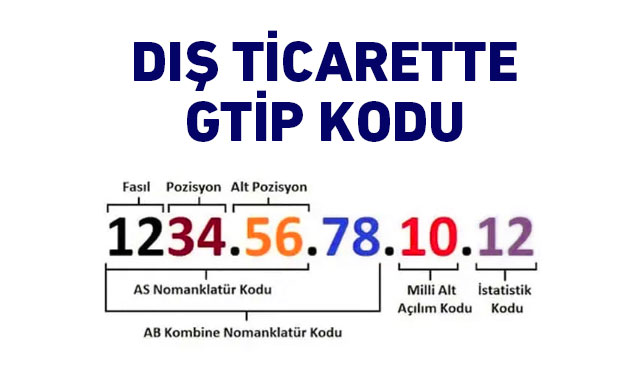
You can create a customer list for your specific products by searching using the Harmonized System (HS) Code.
The data collected can be used to create both a list of potential customers and a competitor analysis.
b) International Data Services
In recent years, big data and AI-based platforms have been offering advanced systems that analyze importer and buyer profiles based on billions of real-world commercial records. wwwbilvio.com possesses the largest commercial database in Turkey and Europe.
These platforms continuously update customs manifests and declaration-based trade data from over 90 countries worldwide.
To reach the most suitable buyer for your company, you can use detailed filters such as transaction volume in the industry, previous purchase frequency, and supplier history.
Find Export Customers, Analyze Your Markets
2. Customer Acquisition Using Digital Methods
a) Online Trade Shows and Business Events
In addition to traditional in-person trade shows, online international trade shows not only allow you to showcase your products but also provide direct access to importers’ contact information. By accessing the list of participants, you can connect one-on-one with many global customers.
International online trade show platforms in sectors such as food, textiles, and machinery provide industry-specific customer data.
With the dataset collected after the trade show, it becomes easier to reach potential buyers via email and digital communication.
b) B2B Platforms and Digital Listing Sites
Digital B2B marketplaces such as Alibaba, Global Sources, and Tradekey feature open databases where importers from around the world can list their businesses.
On these platforms, companies transparently share critical data such as product information, contact details, and transaction history.
You can enter detailed information about your product and actively engage with potential customers.
c) Digital Marketing and Search Engine Optimization
SEO efforts, securing features on industry blogs, and creating digital content make it easier for your customers to find you in target markets, ensuring a sustainable flow of leads in the long term.
LinkedIn, industry groups, and importer forums are effective sources for accessing customer data.
Through email marketing and targeted digital advertising, it is possible to build a customer database.
- The Export Marketing System is software you can use to reach your customers directly.
3. Access to Customer Data via Smart Business Intelligence Platforms
Beyond traditional methods, it is possible to quickly and reliably access customer databases directly using advanced business intelligence platforms. This is where the www.bilvio.com/ihracat system stands out:
Finding markets and customers based on HS codes: By entering your product’s HS code on Bilvio, you can view a list of companies worldwide that import or sell that product, along with their transaction volumes over the past few years.
Commercial data analytics: By conducting a detailed analysis of importers’ and exporters’ past performance, the countries they trade with, and the volumes and prices involved, you gain the opportunity to reach out directly to the most suitable customers.
Competitor and trend tracking: You can monitor major importers and growing markets in real time, allowing you to expand your customer base accordingly.
Targeted filtering: Reach thousands of customers using precise filters such as industry, country, company size, and product category; access data exclusively on high-potential, reliable, and active importers.
Data freshness and automation: Instead of manual searches or traditional data collection, you can integrate Bilvio’s automated analysis and up-to-date customer lists into your business processes.
4. Post-Sale Data Management and Sustainability
Customer data alone is not enough. You need to analyze the data you collect correctly, communicate effectively with customers, and build a relationship of trust. CRM software, digital analytics tools, and regular follow-ups ensure the sustainability of customer relationships.
Systems that track your customer relationships and update automatically set you apart from other suppliers even after the sale.
An analysis based on sales volume, transaction frequency, and communication channels also facilitates future customer acquisition.