
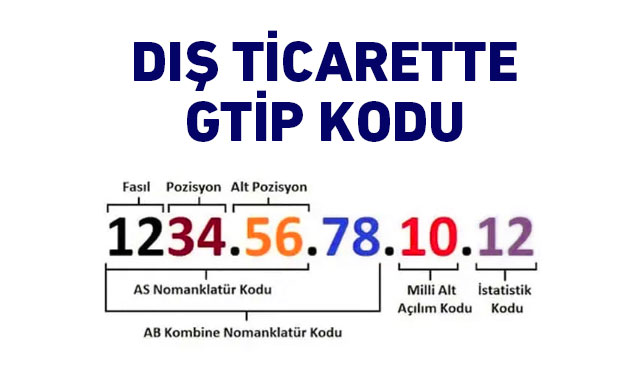
Running import and export operations cleanly is a baseline requirement in global trade. The HS code (or GTIP, in the Turkish system) is one of the workhorses behind that. It classifies products and keeps trade processes moving. Combining HS-code discipline with proper market analysis is how exporters move ahead of competitors. The sections below cover the practical benefits of HS-code use, customer-acquisition strategy, and how to keep operations efficient.
Before going further: the Export 5.0 system at www.bilvio.com is the most advanced export platform in Turkey and Europe, with HS-code-based search at its core.
Find Export Customers,
Analyze Your Markets
Export 5.0 surfaces buyers and suppliers in your target market in seconds, tracks trade flows with up-to-date data, and helps you connect with corporate contacts at importing companies. It gives exporters the digital backbone for strategic outreach.Export 5.0 SystemWhat Is an HS Code and Why It Matters in Import and Export
GTIP, short for Customs Tariff Statistical Position, is the standardized classification code used to regulate imports and exports in Turkey. It identifies and tracks product groups in trade. A separate code applies to each product family, which makes shipment tracking, statistics gathering, and market analysis workable in the first place.
The benefits of using GTIP codes correctly are practical. First, they classify products consistently, which speeds up customs clearance and cuts the bureaucratic friction. Accurate identification keeps costs down for both importers and exporters.
Second, market analysis built on HS codes runs on cleaner, more reliable inputs. Knowing which countries import a specific product group in significant volumes, or where competition is intensifying, is operationally useful for any company planning its next move. That kind of read shapes customer-acquisition strategy and target-market selection in a much sharper way than gut feel.
HS-code accuracy also matters for trade compliance. Customs rules and trade policies vary by country and often hinge on product classification. Using the right code keeps the company on the right side of the regulations and removes friction at borders. Where a target market has specific HS-driven requirements, getting the code right is a market-positioning advantage, not just a paperwork detail.
The bottom line: GTIP codes remove unnecessary complexity from import and export work, which leaves more room for actual trade. For more detail, visit www.bilvio.com.

Improving Import and Export Operations Through Market Analysis
Market analysis is the step that most directly affects export and import success. Companies need a full picture: demand levels by product, what competitors are doing, and where the white space is. With that picture in hand, product selection and strategy match real market needs instead of guesses.
The starting point is data collection. Useful sources include international trade reports, sector studies, and primary market research. Layering HS codes onto that data improves resolution: the dynamics around a specific product group come into focus, including which markets show genuine interest and where there is room to compete.
Once analysis is done, the strategy needs to follow. Product or service adjustments may be required to fit local conditions. Pricing, packaging, and after-sales support may need rework. The strategy also has to stay flexible, since buyer preferences shift. The same analytical inputs that shape market entry should also drive customer-acquisition planning.
Operating across borders requires reading more than market data. Cultural conventions, economic conditions, and competitive intensity in each region all factor in. A working export plan studies the relevant sectors in the target country and the practices of established local firms. Those observations feed directly into how a Turkish exporter positions itself abroad.
Bottom line: market analysis is the foundation under any serious import or export operation. The data underneath leads to better decisions and a sharper competitive position. For exporters, a strategy backed by proper analysis is the difference between a workable trade pipeline and an expensive stop-start cycle.
Customer-Acquisition Strategy and the Role of HS Codes
Customer acquisition is one of the highest-stakes activities in any export company. Reaching the right buyer base requires methodical work and a clear read of current market conditions. HS codes play a central role in classifying products properly and surfacing the right customer segments.
Used correctly, HS codes categorize export and import goods in a way that simplifies access to buyers interested in specific product groups. A company can identify the markets where demand for its product exists, narrow down the relevant audience, and run analysis on that basis. The work moves faster, with less wasted effort.
Digital platforms add a meaningful layer here. E-commerce platforms like www.bilvio.com let exporters list products with the correct HS codes attached, which makes them findable by the right buyer segments. Through that infrastructure, the addressable customer network in domestic and international markets expands considerably.
HS codes also smooth the legal side of cross-border trade. Companies preparing to export can align with the importing country’s regulations more quickly when they have clean HS classification, which reduces clearance time and improves the buyer experience.
One last point: detailed product descriptions paired with accurate HS codes get more attention from prospective buyers. Highlighting what makes the product different is one of the strongest factors in any procurement decision. Used properly, HS codes do double duty: they support customer-acquisition strategy and reinforce competitive positioning. Systems like the Export 5.0 platform at www.bilvio.com are built specifically to make that work routine.