
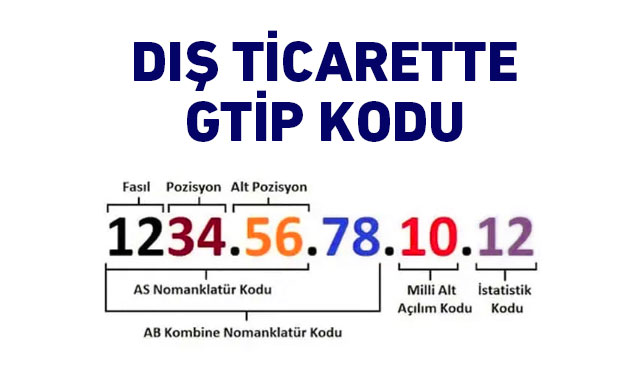
What Is a HS Code and Its Importance in Import and Export
GTIP, or the Customs Tariff Statistical Position, is a standard code used to regulate import and export transactions in Turkey. This code plays a critical role in the classification and tracking of products. A separate GTIP code is assigned to each product group, thereby facilitating the tracking of commercial products, the collection of statistical data, and market analysis.
There are several key advantages to using GTIP codes in import and export operations. First, these codes ensure that commercial products are classified correctly. This contributes to faster customs processing and the reduction of bureaucratic hurdles. Accurate product identification minimizes costs for both importers and exporters.
Additionally, market analysis conducted using GTIP codes can be carried out with more reliable and accurate data. For example, determining which countries have higher demand for a specific product group or where competition is intensifying is of great importance to businesses. This information helps companies develop customer acquisition strategies and identify their target markets more effectively.
Furthermore, the use of GTIP codes plays a critical role in ensuring compliance in international trade. Customs regulations and trade policies of different countries may vary based on product classification. Therefore, using the correct GTIP codes ensures that companies can operate more successfully abroad. Especially when exporting, determining the appropriate GTIP code based on the target market’s requirements provides a significant advantage in terms of market positioning.
In conclusion, GTIP codes eliminate unnecessary complexities in import and export processes, thereby providing businesses with a more efficient trading environment. For more information, visit www.bilvio.com.

Methods for Improving Import and Export Processes Through Market Analysis
Market analysis is a critical step that directly impacts the success of import and export processes. Businesses must conduct a comprehensive market analysis to understand which products are in higher demand, competitors’ strategies, and potential market opportunities during these processes. This enables them to select the right products and develop strategies tailored to market needs.
First, collecting industry-related data is essential for conducting an effective market analysis. This data can be obtained from sources such as international trade reports, industry reports, and market research studies. Additionally, using identifying information such as HS codes during the analysis of this data will help better understand the market dynamics of specific product groups. This allows businesses to determine which markets show greater interest in certain products and where a competitive advantage can be gained.
Following market analysis, it is crucial for businesses to develop strategies based on these findings. For example, product or service modifications can be made to meet the needs of the local market. At the same time, flexible strategies must be established to respond quickly when preferences change. In customer acquisition processes, analyses based on these indicators also play a critical role in clarifying the target audience.
Furthermore, to be effective in global markets, it is necessary to understand the cultural, economic, and competitive conditions of regions. To develop a successful export strategy, an analysis of relevant sectors in the target market must be conducted, and the business practices of successful local firms should be examined. These analyses provide valuable insights into how domestic firms can be effective on an international level.
In conclusion, conducting market analysis is of great importance for improving import and export processes. The data obtained through these processes helps companies make more informed decisions and position themselves more effectively in the competitive landscape. For those seeking to export, a strategy supported by market analysis is the key to a successful trade journey.
Customer Acquisition Strategies and the Benefits of Using GTIP Codes
Customer acquisition strategies play a critical role in every business’s path to success. Businesses must develop effective methods to reach the right customer base and thoroughly analyze current market dynamics. In this context, GTIP codes play a significant role in classifying products and reaching the correct customer segments.
First and foremost, the use of GTIP codes enables the categorization of products intended for export or import. This facilitates easier access to customers interested in specific product groups. For example, a business can determine which markets have demand for its products using the designated GTIP code; this simplifies target audience analysis and enables effective market analysis.
When developing customer acquisition strategies, digital platforms also offer a significant advantage. In particular, e-commerce platforms like www.bilvio.com enable products to be listed with the correct GTIP codes, making it possible to reach potential customer segments more effectively. Through these platforms, it is possible to access a broader customer network in both national and international markets.
Additionally, another advantage of using GTIP codes is that they simplify the legal processes required for international trade. Companies planning to export can quickly comply with the regulations of importing countries thanks to the GTIP codes they use. This accelerates import and export processes, thereby increasing customer satisfaction.
Finally, when implementing customer acquisition strategies, detailed descriptions based on product features and GTIP codes can help attract the attention of potential customers. Highlighting the unique aspects of products is one of the most important factors influencing customers’ purchasing decisions. In summary, the proper use of GTIP codes both strengthens customer acquisition strategies and contributes to businesses gaining a competitive advantage. For this reason, systems like wwwbilvio.com’s Export 5.0 are state-of-the-art technologies designed to assist you in this regard.