
An export consultant quoted a mid-sized Turkish furniture manufacturer $18,000 for a three-month market entry study on Germany last year. The deliverable, once it landed, was a 40-page report built largely from the same country-level import statistics anyone can pull from the ITC Trade Map for free, wrapped in strategic language and a market entry recommendation the client could have reached on their own with a day of research. I have seen this pattern often enough, working alongside the customs and shipment data that runs through Bilvio, to know exactly where export consultancy earns its fee and where it doesn’t: the good ones bring judgment, relationships, and execution capacity a company genuinely lacks. The bad ones repackage public data at a markup. Knowing the difference before signing a contract saves real money.
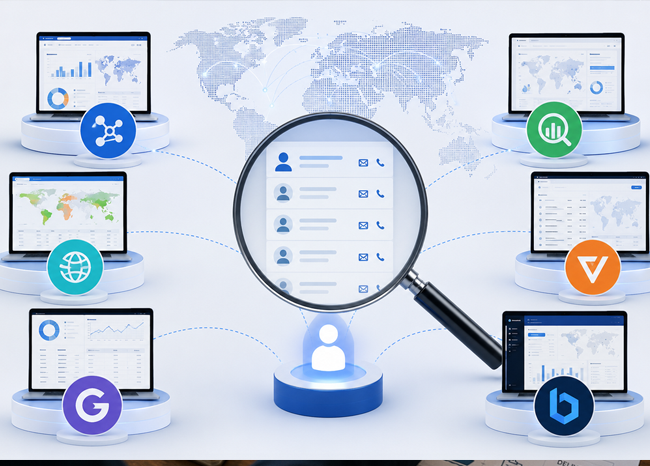
Export 5.0 identifies buyers and suppliers in your target market within seconds, analyzes trade trends and your target markets with up-to-date data, and enables you to reach corporate contacts of companies. It offers a powerful digital infrastructure for strategic marketing.
What Export Consultancy Services Actually Cover
Export consultancy is a broad category that spans several distinct services, and clarity about which one you need matters before hiring anyone. Market entry strategy covers which countries to target, how to enter (direct sales, distributor, agent), and what milestones define success. Regulatory and compliance advisory covers tariff classification, certification requirements, and documentation for a specific destination market. Buyer and partner matchmaking involves identifying and introducing a company to potential distributors, agents, or direct buyers in a target market. Trade finance and risk advisory covers structuring payment terms, letters of credit, and export credit insurance. Some consultancies bundle all of these; others specialize narrowly in one, particularly compliance-focused firms that operate closer to customs brokerage than strategic advisory.
The distinction matters because pricing, expertise, and value delivered vary enormously across these categories. A compliance specialist who knows EU CE marking requirements cold is a different hire from a market entry strategist mapping which of three Gulf states to enter first, and treating them as interchangeable is a common reason companies end up disappointed with a consultancy engagement that was never scoped to solve their actual problem.
What a Consultant Does That Trade Data Tools Don’t (and Vice Versa)
This is worth addressing directly, because the two increasingly compete for the same budget line. Trade intelligence platforms, working from customs declarations and bill-of-lading records, answer factual questions well: which companies import your product category, how often, and at what volume. A customs-data buyer discovery search can produce a ranked list of confirmed active importers in a target market in an afternoon, which is exactly the kind of research a consultant used to bill for by the week.
What a data platform cannot do is exercise judgment about fit, negotiate a distributor agreement, sit across a table from a skeptical buyer in Riyadh and read the room, or advise on the specific cultural and regulatory nuance of closing a deal in a market you have never operated in before. A good consultant brings pattern recognition from having done this dozens of times, relationships built over years, and the ability to represent your company credibly in a market where you have no track record yet. The honest advice is to use trade data tools for the research layer, since that work is now largely commoditized and does not require paying consultant day rates for it, and reserve consultancy spend for judgment, negotiation, and execution support that data cannot replace.
Types of Export Consultants and When Each Makes Sense
Market entry strategists earn their fee for companies entering a genuinely unfamiliar market or region, particularly where regulatory complexity or cultural distance is high (a Vietnamese electronics exporter targeting the Gulf for the first time, for instance, benefits from someone who has already navigated GCC certification and distributor norms). For companies targeting markets closer to their existing experience, this service often duplicates work a sales team can do with the right data tools.
Compliance and regulatory specialists earn their fee reliably, almost regardless of company size or experience, because certification and classification rules change frequently and the cost of getting them wrong (a held shipment, a rejected certification, a fine) usually exceeds the consultant’s cost by a wide margin. Buyer and partner matchmaking consultants add real value when their claimed local network is genuine and current, though this is also the category most prone to overpromising, since a consultant’s “extensive network” claim is hard to verify before signing a contract. Trade finance advisors are worth engaging specifically around a first letter of credit or export credit insurance arrangement, where the cost of a structuring mistake can be significant and the advisory fee is small by comparison.
How Much Export Consultancy Actually Costs
Pricing varies by service type and scope, but rough benchmarks help set expectations before a first conversation. Project-based engagements, a focused market assessment or entry strategy, typically run from a few thousand dollars for a narrow scope to $50,000 or more for a full multi-country expansion plan, according to industry pricing data compiled by Tglobe Consultants. Ongoing retainer arrangements for continuous advisory support generally fall between $2,500 and $15,000 a month, and buyer or supplier matchmaking work is frequently structured as a success fee, commonly 3 to 10 percent of the resulting deal value, which aligns the consultant’s incentive with an actual closed transaction rather than billable hours.
For an SME, these numbers argue for scoping engagements narrowly and specifically rather than buying a broad, open-ended advisory relationship. A well-defined, project-based engagement, one market, one clear deliverable, one milestone, both controls cost and makes it far easier to judge whether the consultant actually delivered value.
Free and Subsidized Alternatives Worth Checking First
Before paying for market entry strategy specifically, it is worth checking what your country’s export promotion agency already offers for free, because a meaningful amount of what commercial consultancies charge for duplicates services national trade bodies provide at no cost to SMEs. Sweden’s Business Sweden, for instance, offers a free Export Advisory service specifically for SMEs, helping select target markets and entry strategy at no charge. Equivalent programs exist across most major exporting economies: Turkey’s Ministry of Trade and Türk Eximbank support programs, the UK’s Department for Business and Trade, and Germany’s GTAI all run comparable advisory services aimed at reducing exactly the cost barrier that keeps SMEs from attempting market entry.
These free programs typically cannot match a private consultant’s depth on a highly specific, complex engagement, and they often connect you with a handful of pre-screened contacts rather than doing exhaustive buyer research. But for the initial market selection and entry strategy questions, checking the free option first before committing several thousand dollars to a commercial consultant is a step too many SMEs skip.
How to Evaluate and Choose an Export Consultant
A few concrete checks separate a consultant worth hiring from one worth avoiding. Ask for named client references in your specific product category and target region, not general testimonials, since a consultant who has genuinely closed deals in your sector will have specific companies willing to vouch for that work. Ask how they will validate demand before recommending a market, and be skeptical of anyone recommending a target country without pointing to actual trade data (Trade Map, Comtrade, or transaction-level customs records) as the basis for that recommendation, since a market recommendation without underlying evidence is closer to a guess dressed up as expertise.
Scope the engagement to a specific, measurable deliverable rather than an open-ended advisory relationship, and clarify upfront whether the consultant’s compensation model creates the right incentive: a success fee tied to an actual closed deal aligns interests far better than a flat retainer for advisory conversations that may or may not lead anywhere. Finally, ask directly what research the consultant will do themselves versus what they expect the client to already have, since [target-market analysis and buyer identification](INTERNAL: Bilvio target market analysis and buyer discovery) is now something an exporter can run independently before a consultant engagement even starts, which should shift the conversation toward strategy and execution rather than basic research the client no longer needs to outsource.
Common Mistakes When Hiring Export Consultancy Services
The most common mistake is hiring a broad market entry strategist for a problem that is actually a compliance question, or vice versa, paying premium strategic advisory rates for work that a certification specialist could handle faster and cheaper. The second is signing an open-ended retainer without a specific, agreed deliverable, which makes it nearly impossible to judge whether the engagement produced value six months in. The third, and increasingly avoidable, is paying a consultant to produce basic market research (which countries import your product, at what volume) that a trade data platform or a free ITC Trade Map search would have answered in a single afternoon, at no marginal cost beyond the time already spent evaluating the consultant.
Frequently Asked Questions
How much does an export consultant typically cost?
Project-based engagements generally range from a few thousand dollars for a focused assessment to $50,000 or more for a full multi-country strategy. Ongoing retainers run $2,500 to $15,000 a month, and buyer matchmaking work is often priced as a success fee of 3 to 10 percent of the resulting deal value.
Do I need an export consultant, or can I do market research myself?
Basic market sizing and demand validation can be done independently using free tools like the ITC Trade Map and commercial trade intelligence platforms for buyer-level detail. Consultants earn their fee on judgment, negotiation, relationship access, and execution support, not on research a data platform can now produce directly.
What is the difference between an export consultant and a customs broker?
A customs broker handles transactional compliance work, filing customs declarations and duty payments for individual shipments. An export consultant operates at a strategic level, advising on market selection, entry strategy, and trade agreement structuring. The two roles complement each other but are not interchangeable.
Are there free alternatives to hiring a paid export consultant?
Yes. Most major exporting countries run government-backed export advisory programs, often free for SMEs, covering market selection and entry strategy. Checking these programs before committing budget to a commercial consultant is worth doing, particularly for companies in their first one or two export markets.
How do I know if an export consultant’s market recommendation is credible?
Ask what trade data underlies the recommendation. A credible consultant will point to specific import volume trends and, ideally, evidence of active buyers in the target market, rather than a general impression of the market’s potential based on reputation alone.
Should I pay a consultant a flat fee or a success fee?
For buyer and partner matchmaking specifically, a success fee tied to a closed deal aligns incentives better than a flat fee for introductions that may not lead anywhere. For strategic advisory or compliance work, a scoped project fee with a clear deliverable is usually more appropriate than an open-ended retainer.
Export consultancy earns its cost when it supplies judgment, relationships, and execution capacity a company genuinely lacks, not when it repackages research a data platform or a free government program could already provide. Scope any engagement narrowly, check the free advisory options your export credit agency offers first, and reserve paid consultancy budget for the parts of market entry that actually require human judgment rather than a spreadsheet.